First backers of Australasia's most ambitious founders.


Four changes are remaking the world at once.
New Zealand and Australia enter this world with unusual advantages. We are stable democracies that allies already trust with defense contracts and intelligence. We have restricted airspace and empty coastline to test in. And our home markets are so small that every serious company here builds for the world from day one. Most of what we back starts in New Zealand or Australia.
Machines are learning to think.
Every model that gets better makes the compute to run it scarcer, so the hard problem moves from writing models to running them.
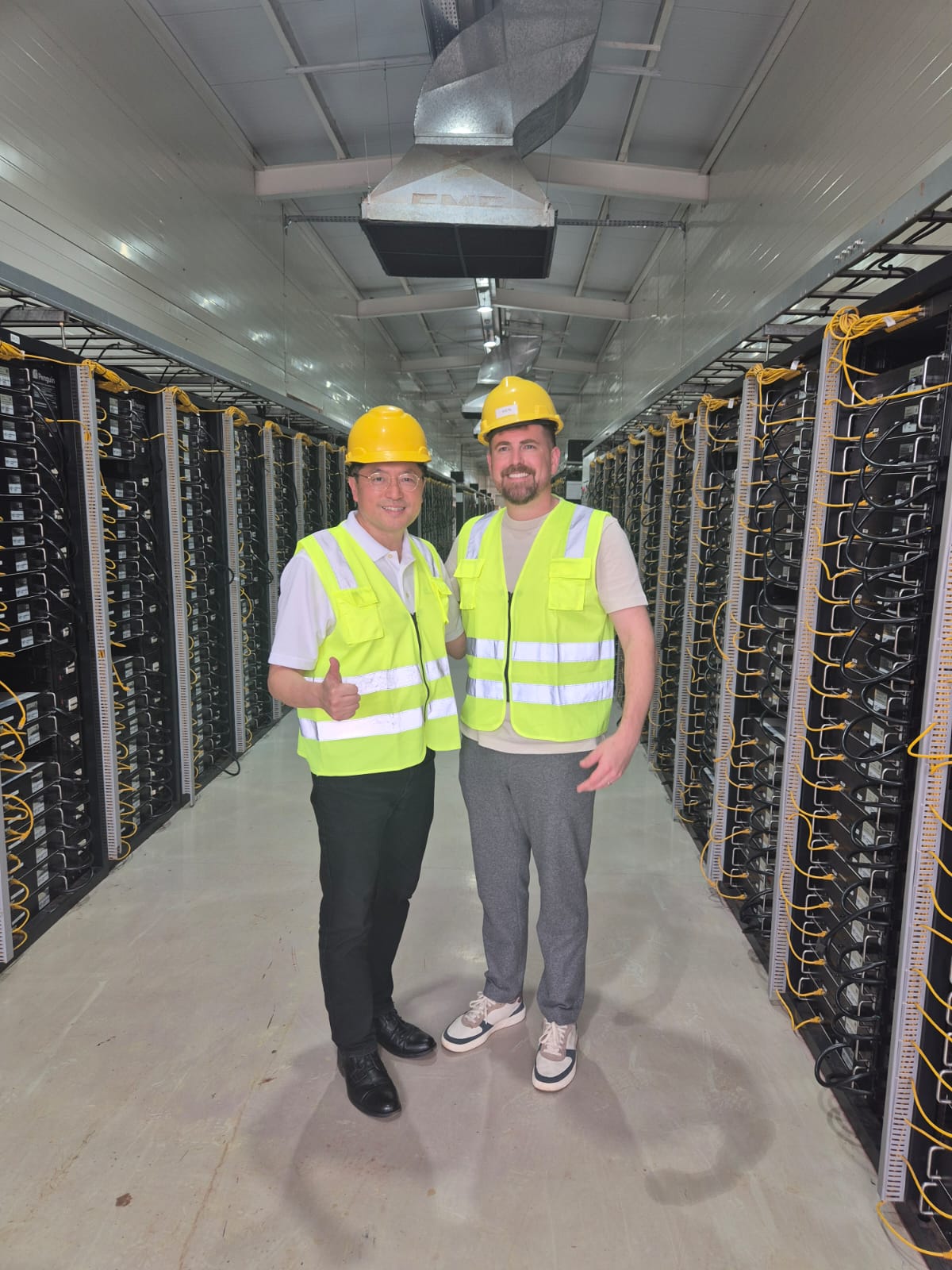
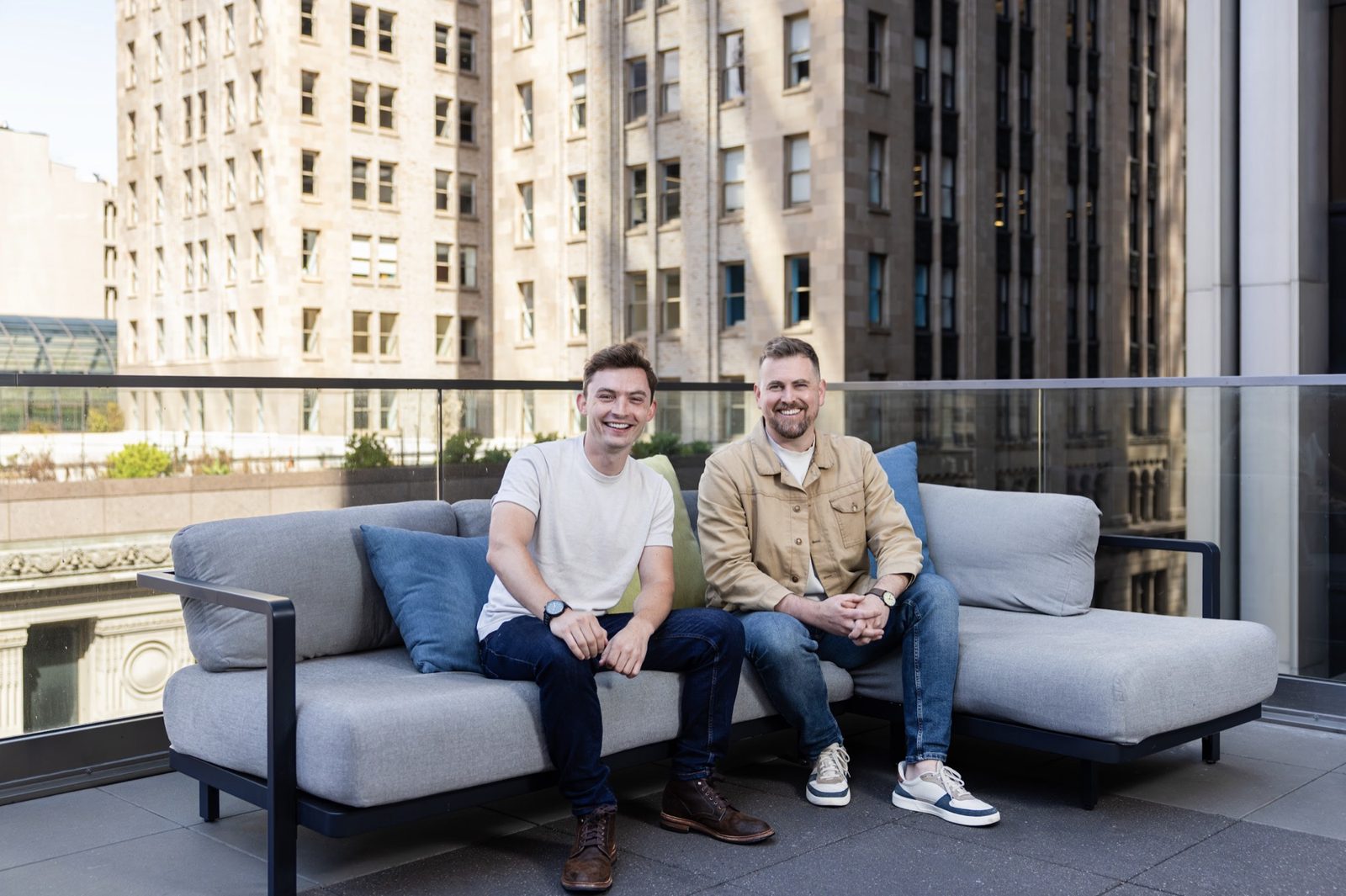
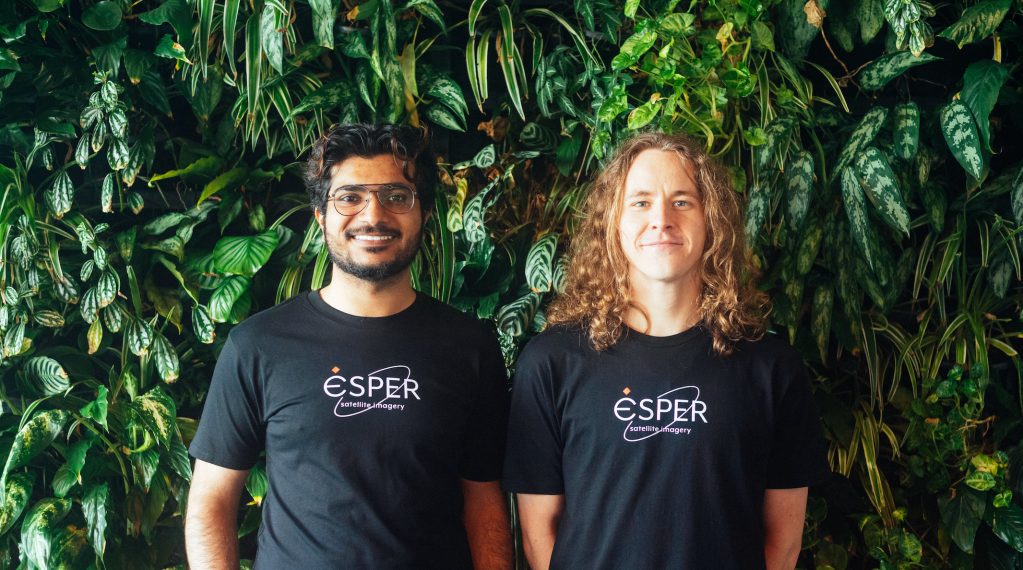
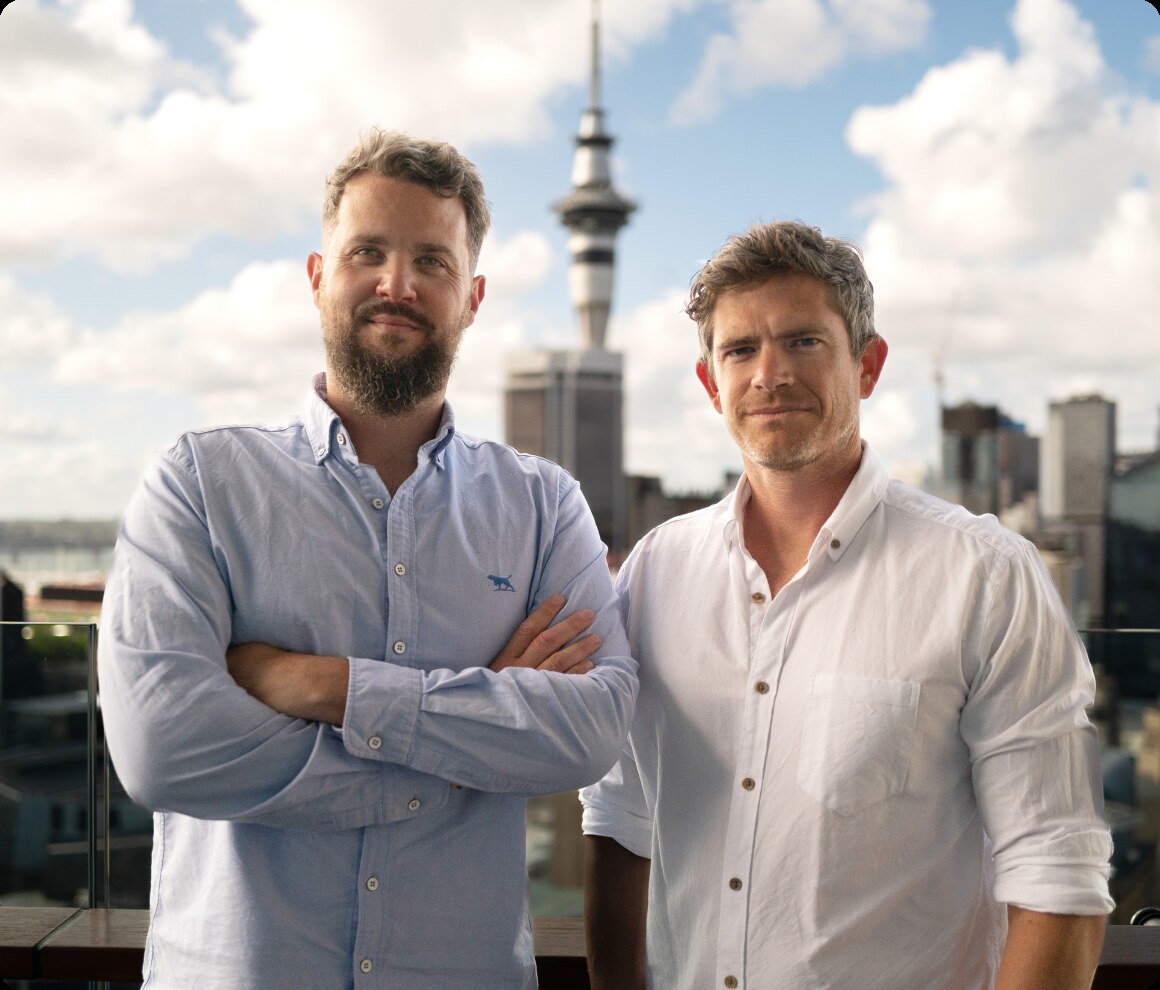
General Compute grows AI compute faster than new data centers can be built: its air-cooled silicon drops into the data centers that already exist and runs workloads within weeks. Finn Puklowski and Jason Goodison founded it in 2025, and we backed them when the company was two people and an idea.
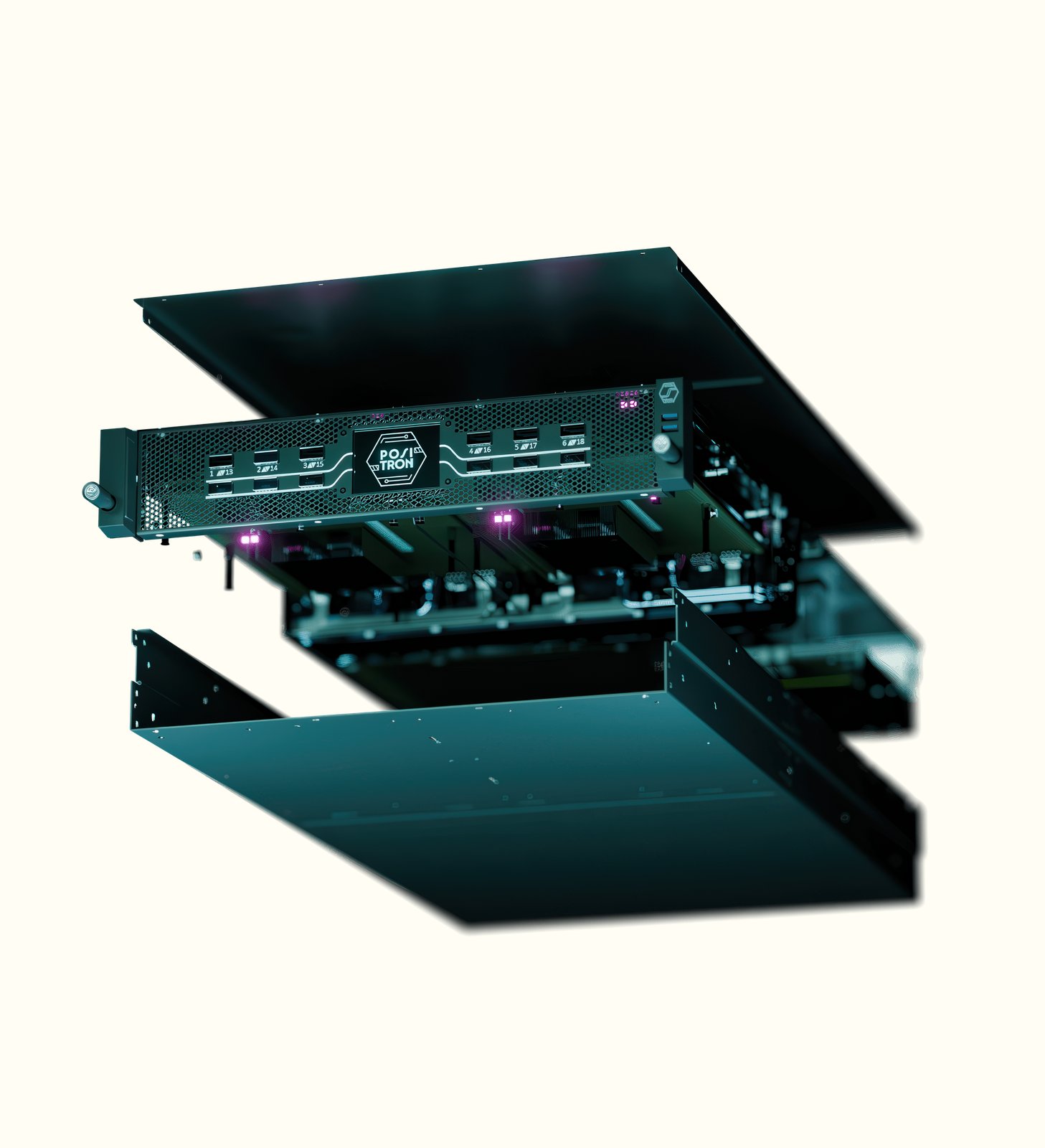
Thomas Sohmers, Barrett Woodside and Edward Kmett founded Positron in 2023 to build inference-first silicon. Their Atlas accelerator serves the same models as Nvidia's H200 on a third of the power.
Machines are learning to work.
The jobs worth automating are the physical ones, in pipes and operating theaters where a person should not have to be.
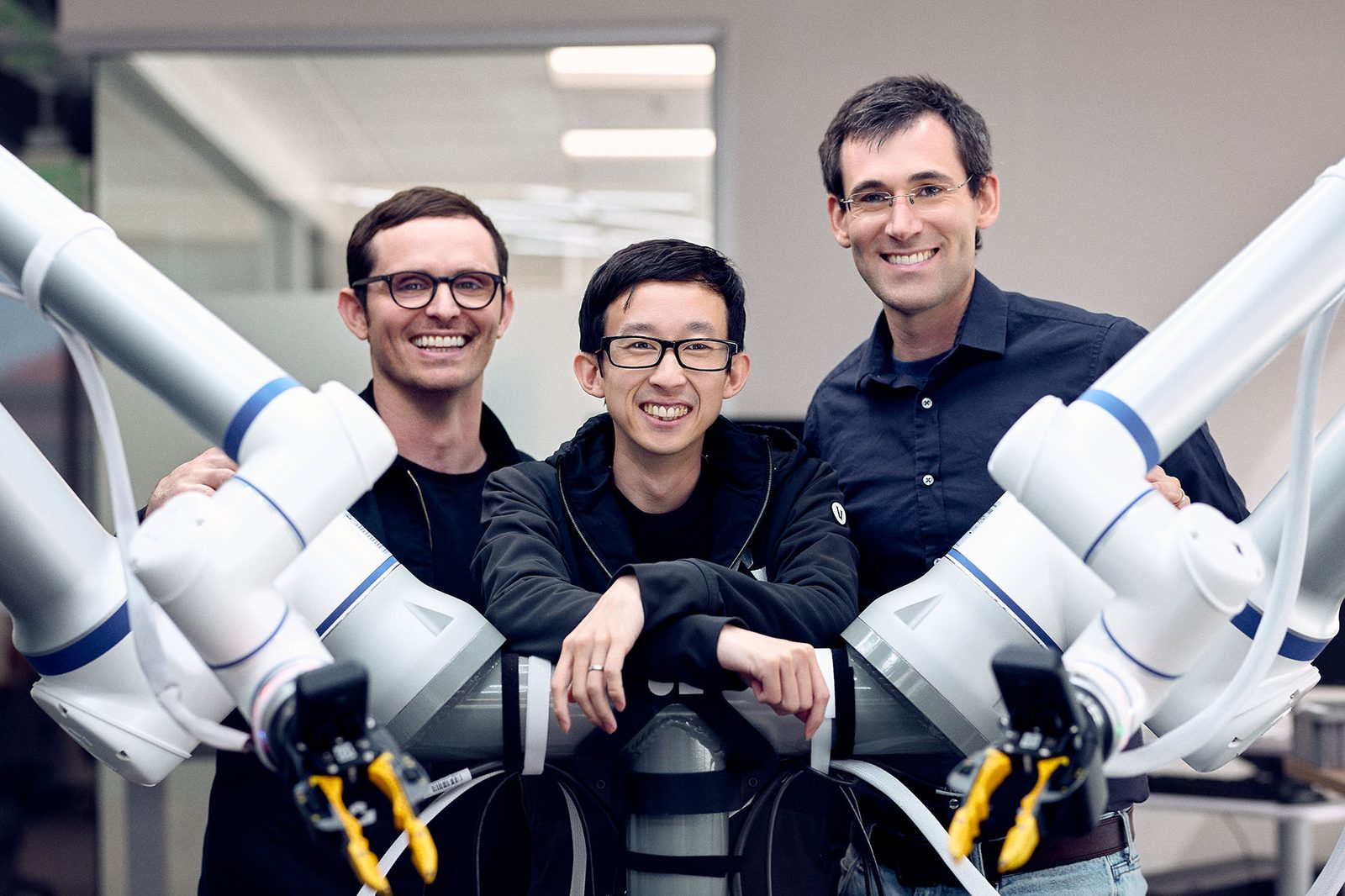
Generalist trains one model to drive many kinds of robot hands, so general-purpose machines can take on the physical work. Pete Florence, Andy Zeng and Andrew Barry left Google DeepMind and Boston Dynamics to found it in 2024.
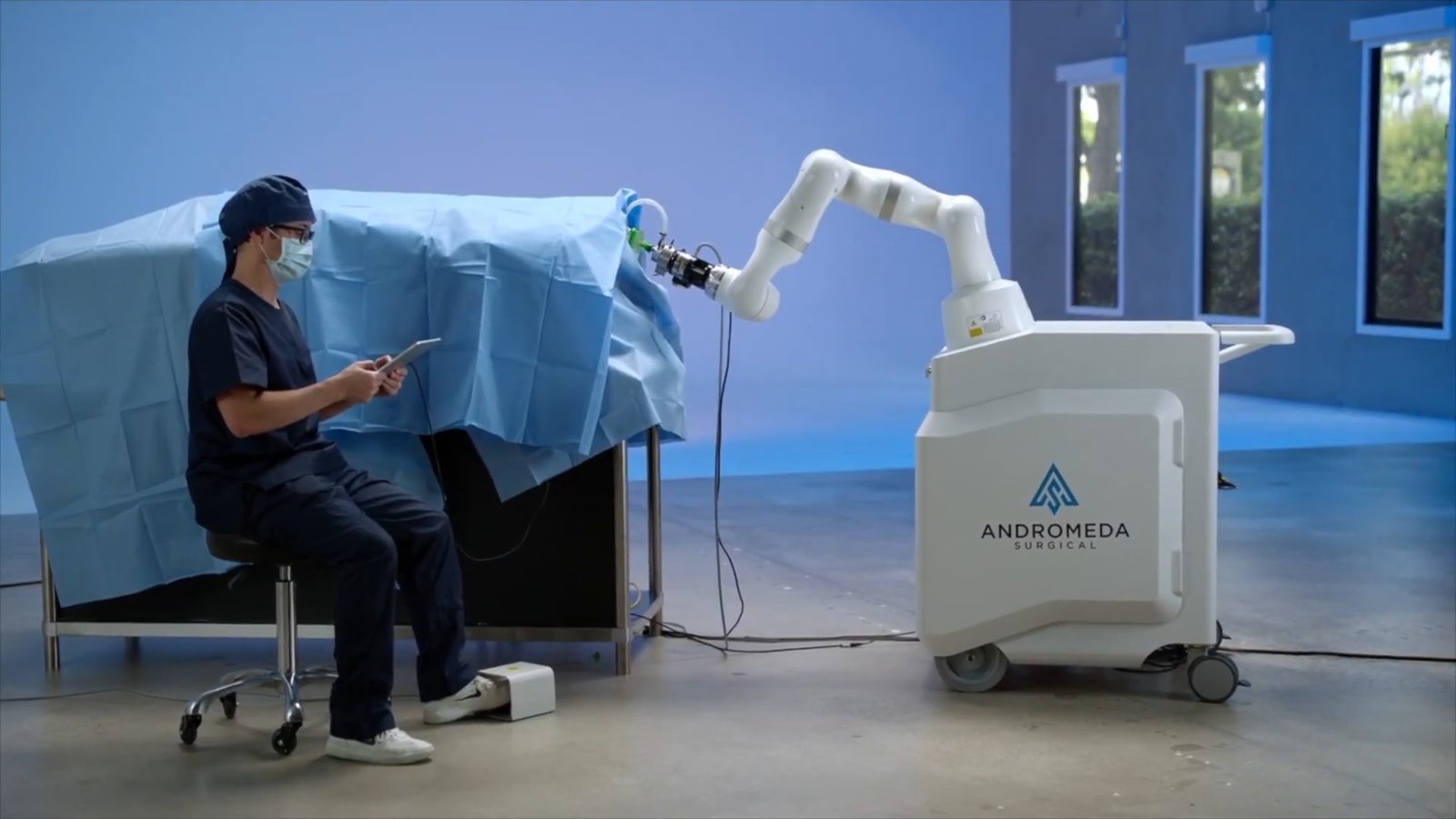
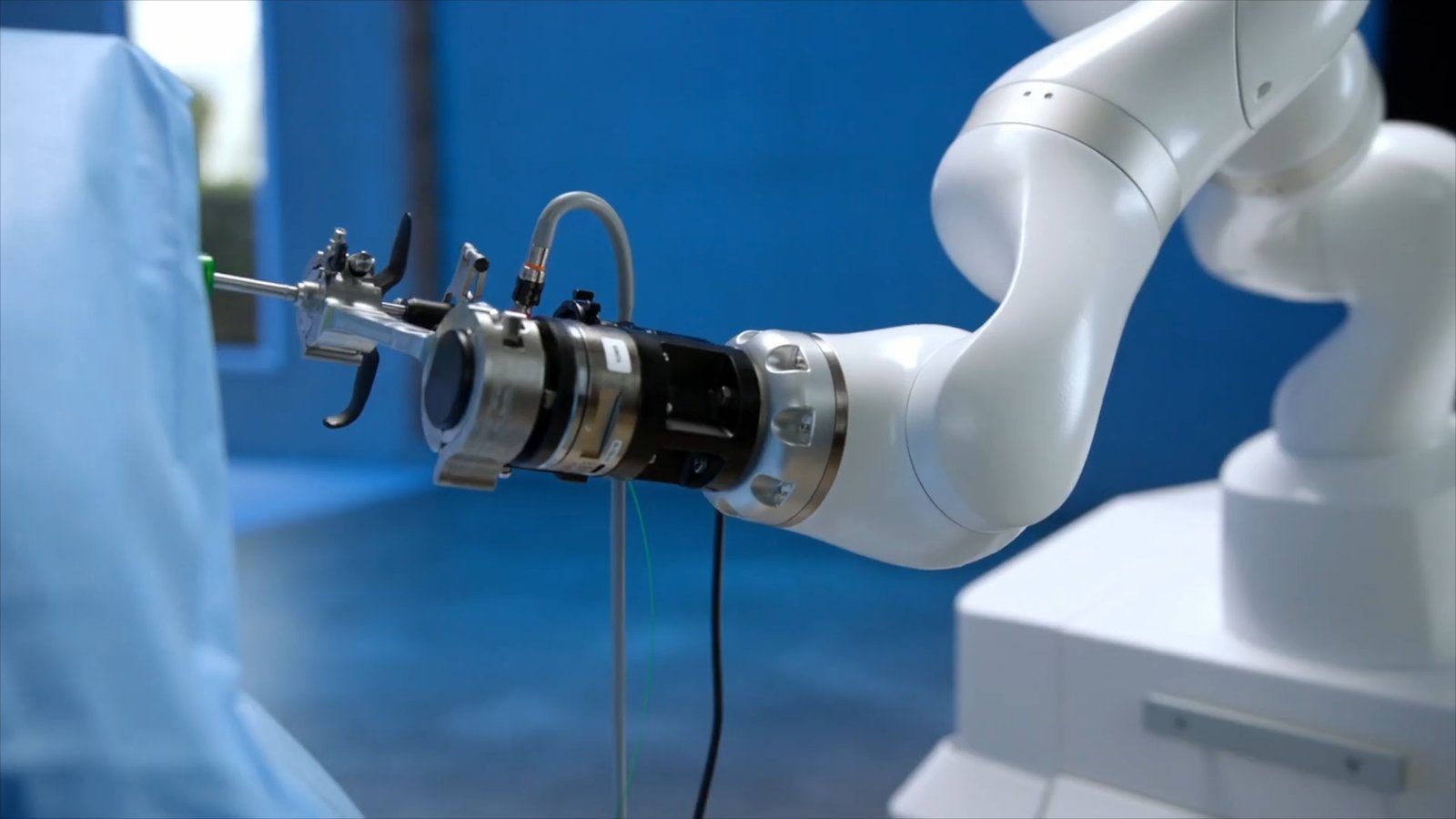
Andromeda Surgical builds autonomous robots for surgery, starting with endourology. Its robot pairs with AI models that take on surgical tasks while the surgeon stays in the loop.
The unipolar world is fragmenting.
Every bloc now has to build its own drones, castings and compute, and it buys them only from countries it already trusts.
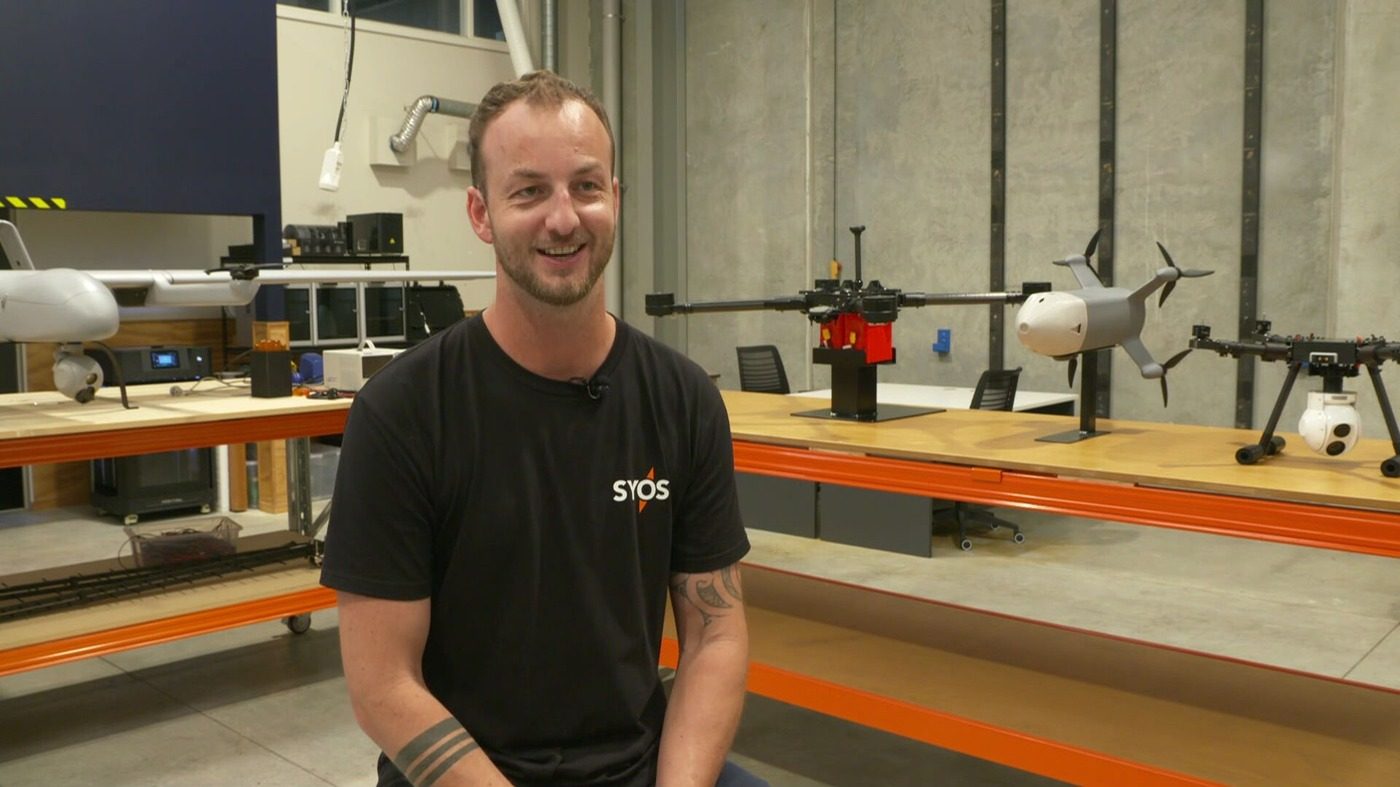
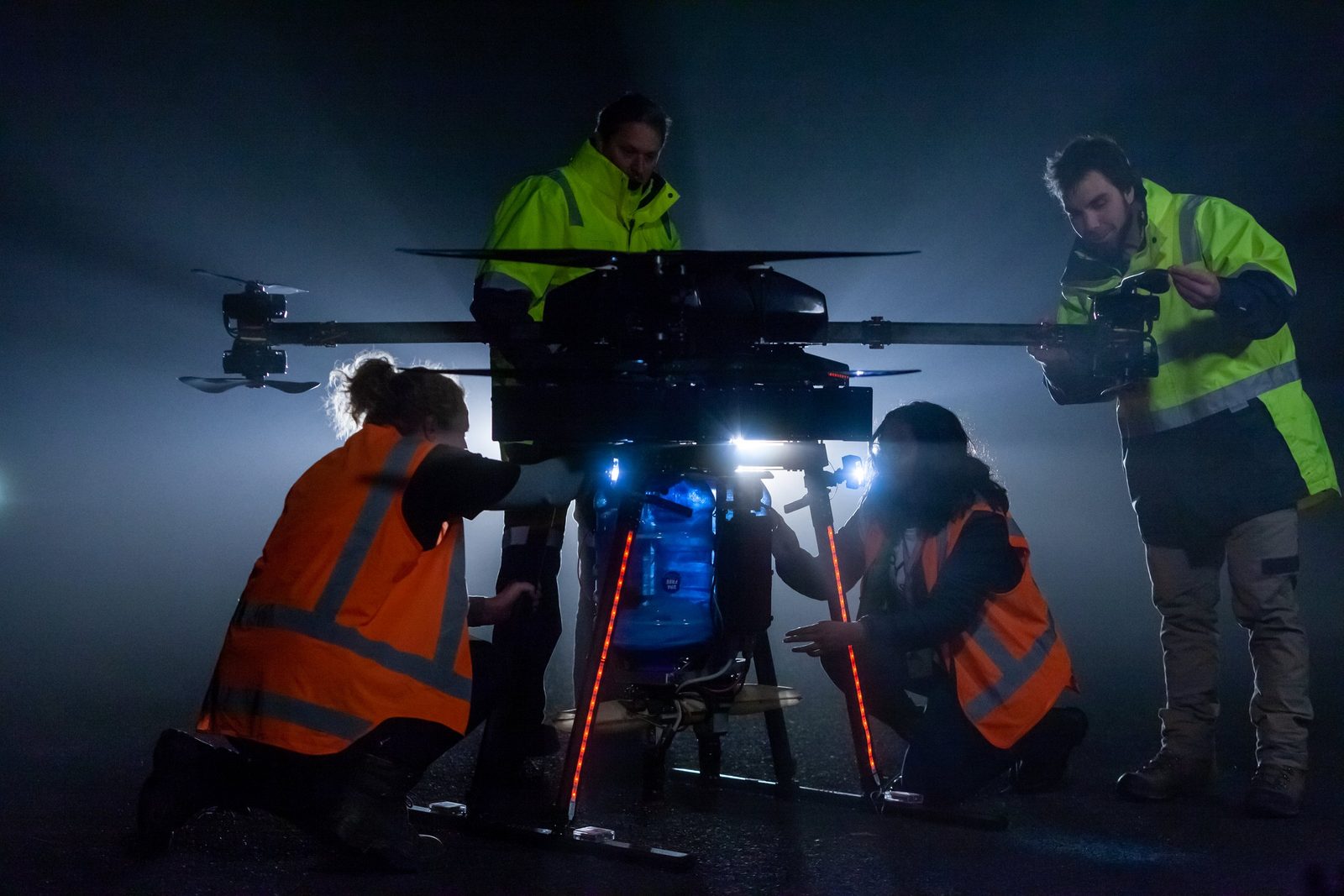
Sam Vye founded Syos Aerospace in Tauranga in 2021 to build uncrewed vehicles for air, land and sea, and its SA200 helicopter lifts 200kg for up to two hours. In April 2025 the UK Prime Minister announced a NZ$67M contract for Syos uncrewed vehicles for Ukraine, and the company now runs a factory in Hampshire with 150 people.
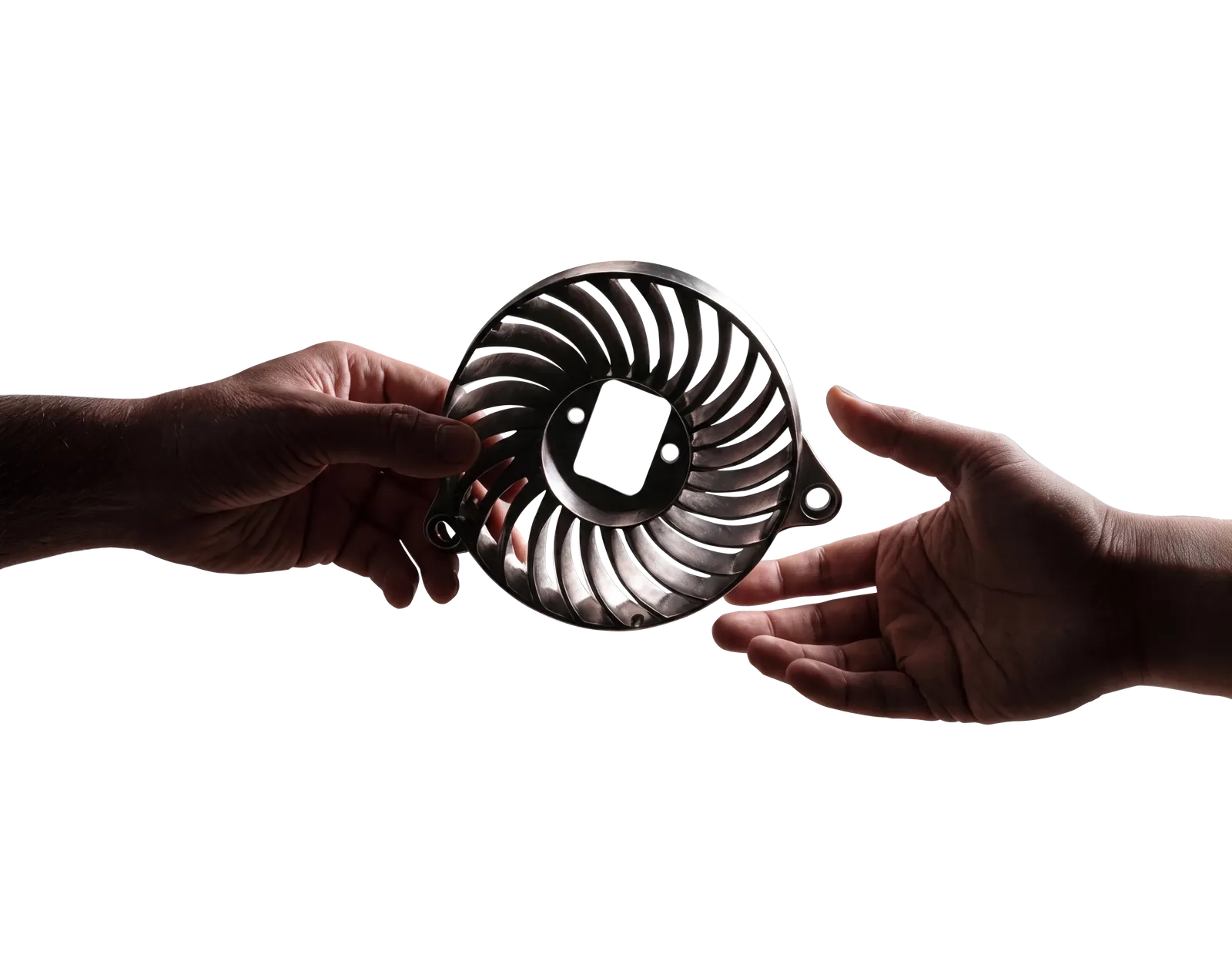
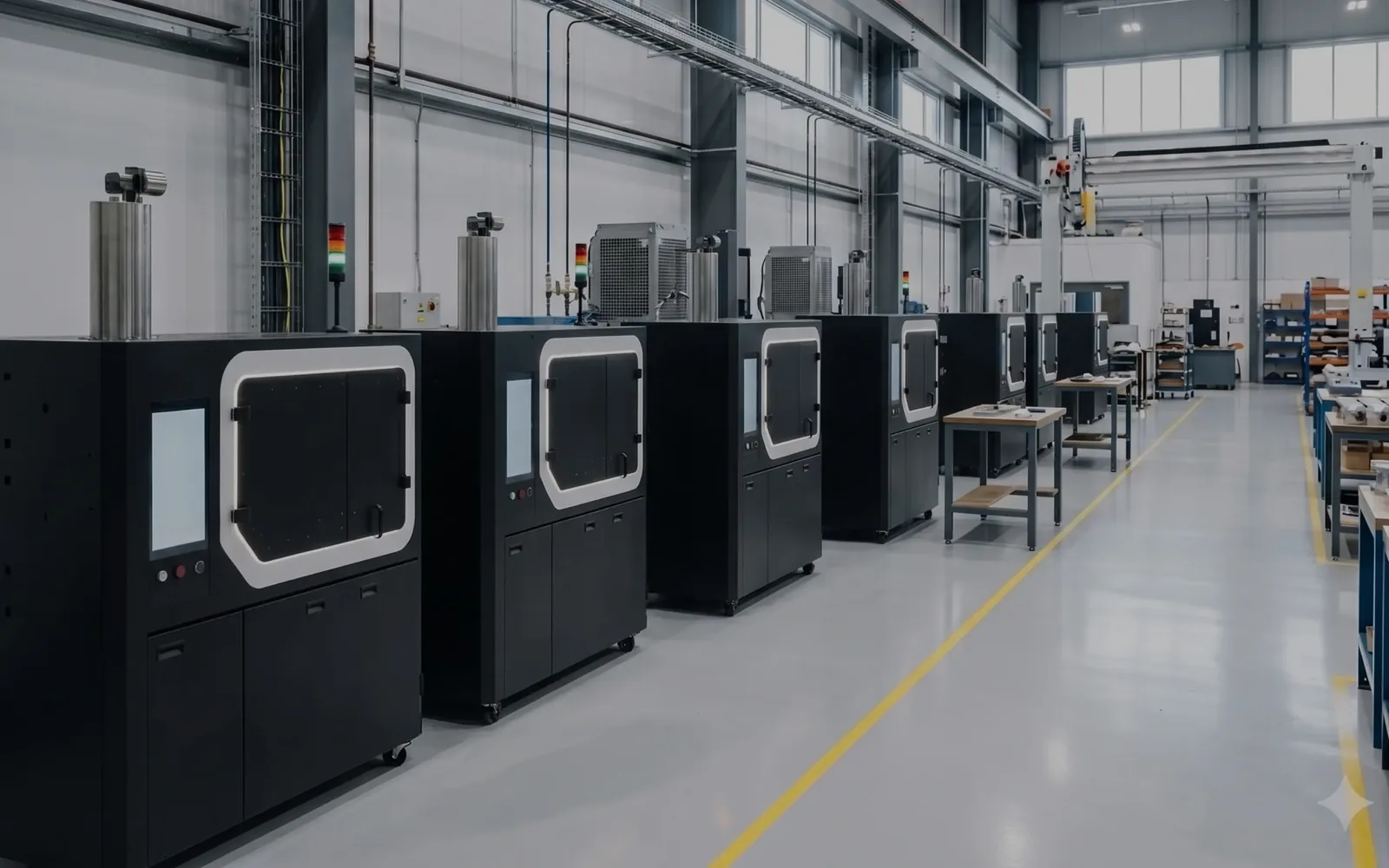
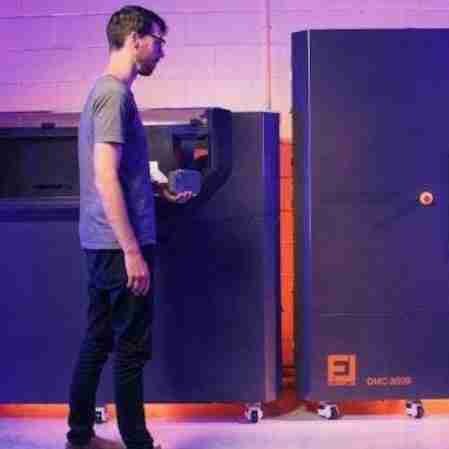
David Moodie’s Foundry Lab turns a CAD file into a cast metal part the same day with a microwave furnace, and a conventional foundry takes weeks to make the same part. Foundry Lab runs a plant in Fremont, California.
Biology is stretching human life toward centuries.
Biology is becoming an engineering discipline, and a lab can now build the organ or the therapy itself.
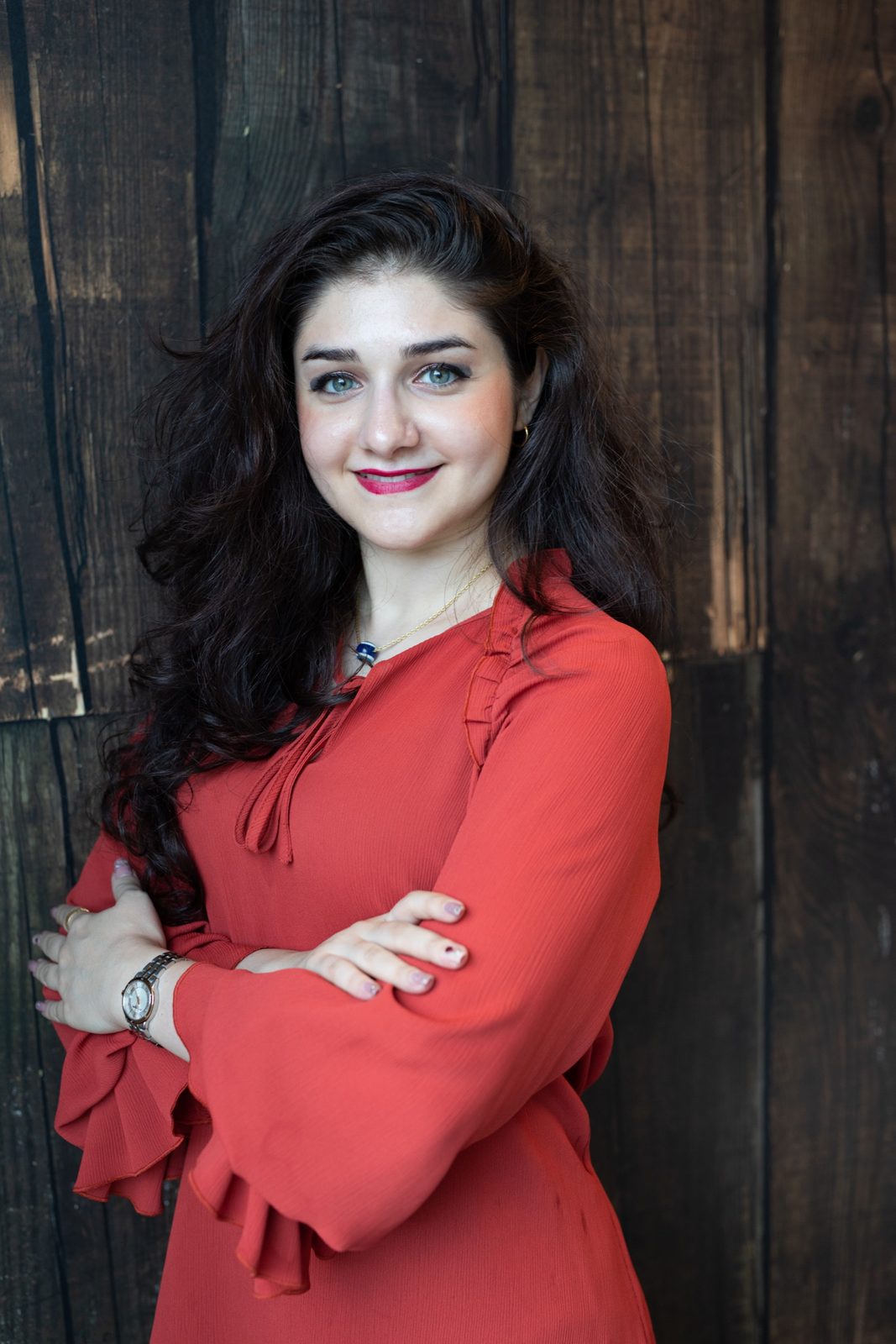
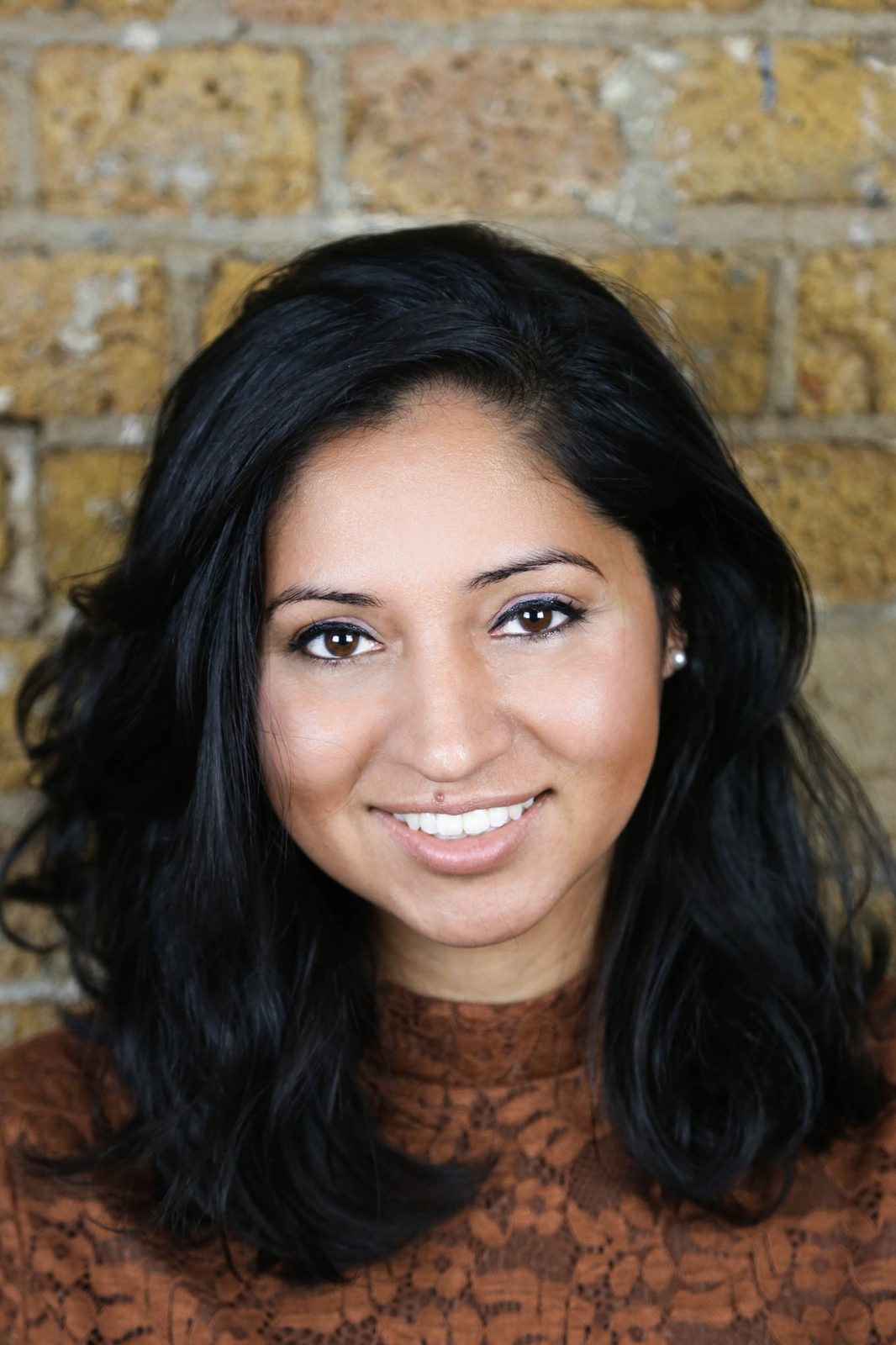
Becoming is engineering the placenta, the organ every life depends on. Its lab-grown placenta has nurtured a mouse embryo outside the body, and founder Divya Dhar Cohen is a New Zealand-trained medical doctor with a Wharton MBA and a Harvard MPA.
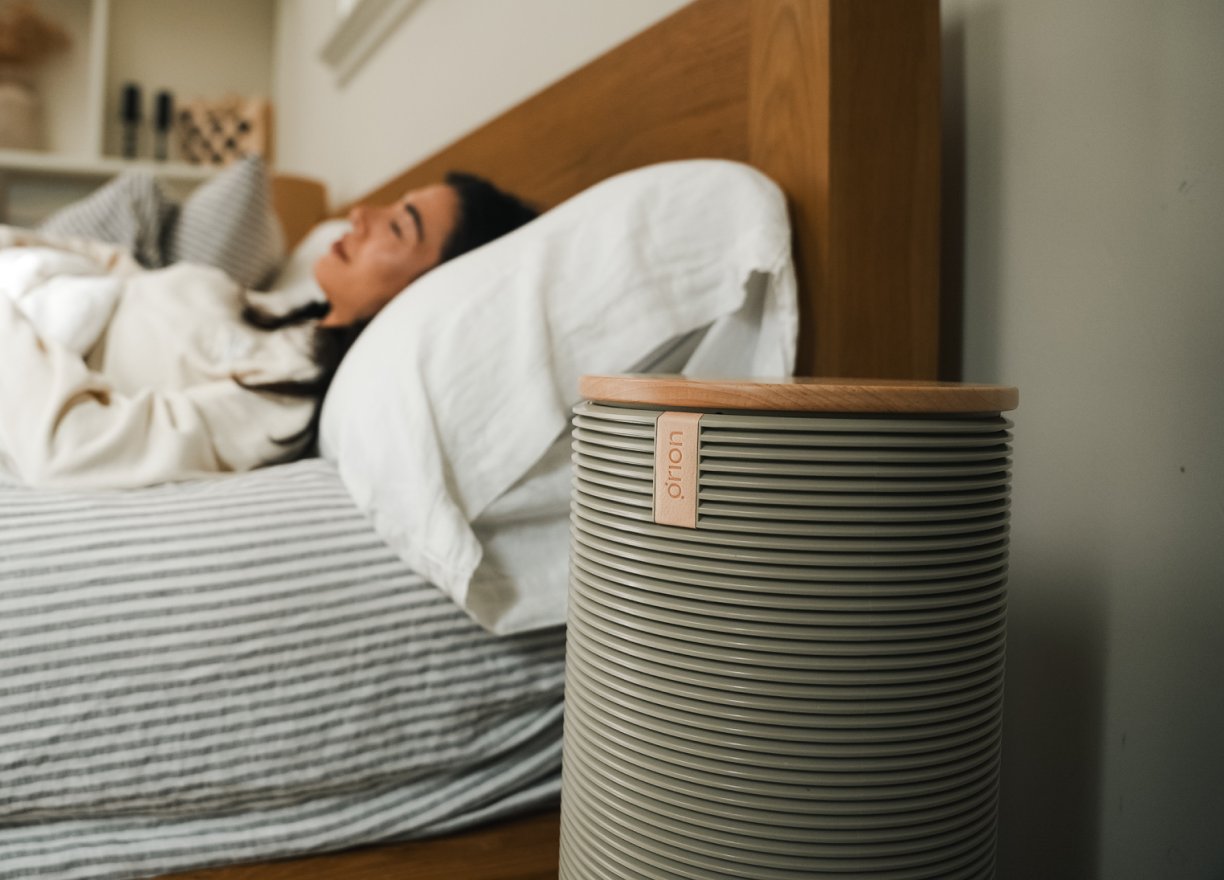
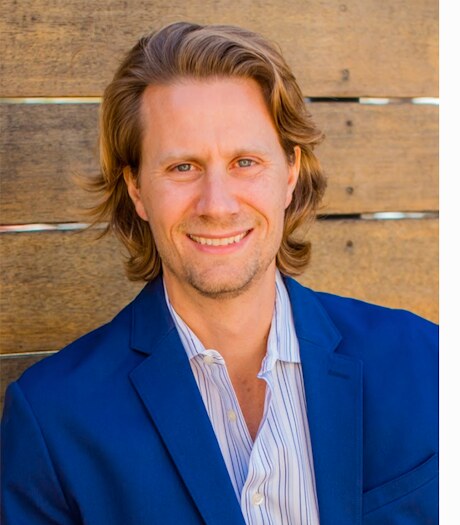
Orion is a longevity company focused on improving sleep. Harry Gestetner’s first product is a water-cooled AI mattress cover that holds a sleeper’s core temperature through the night.
What we look for.
We invest before there is traction.
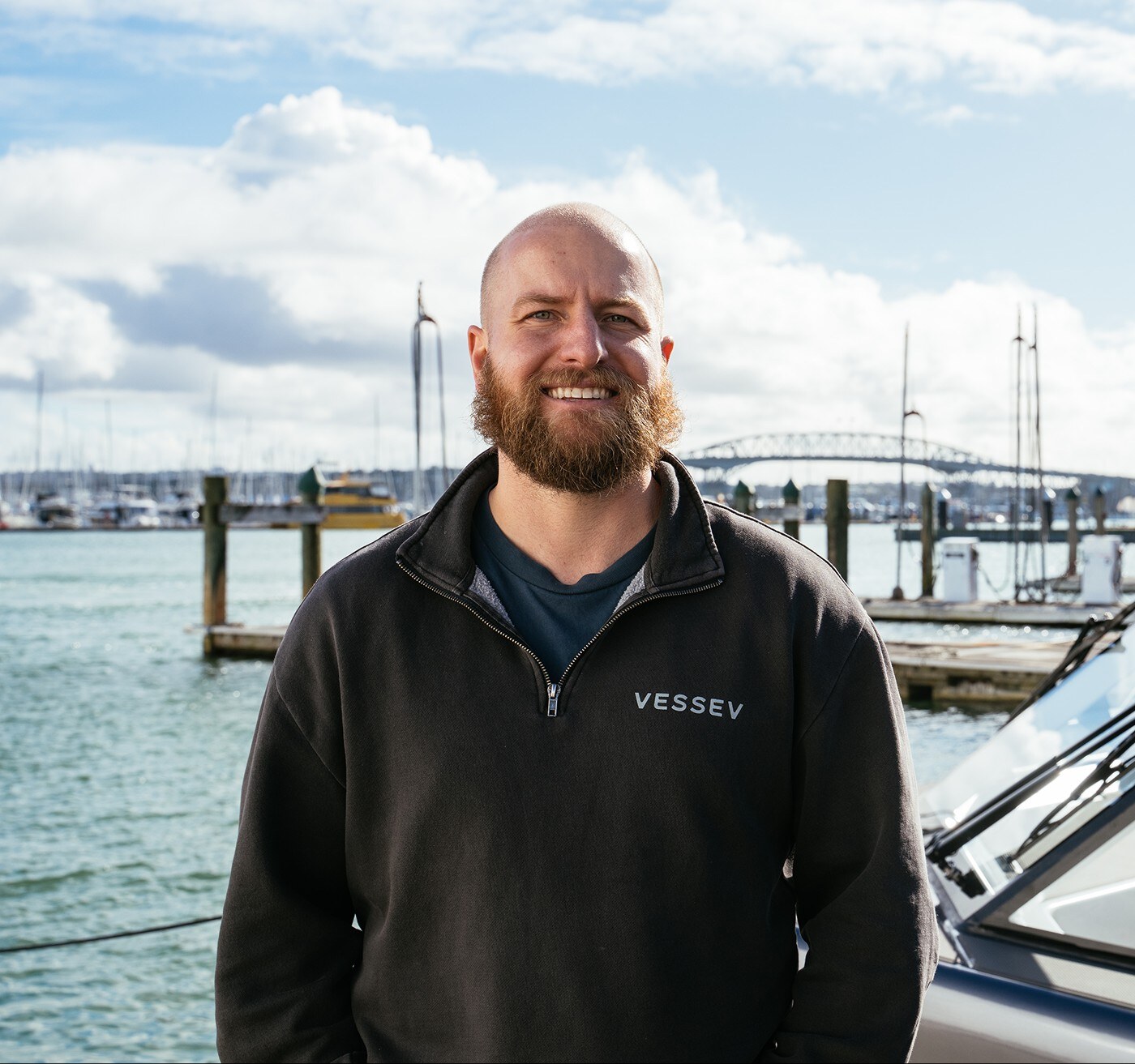
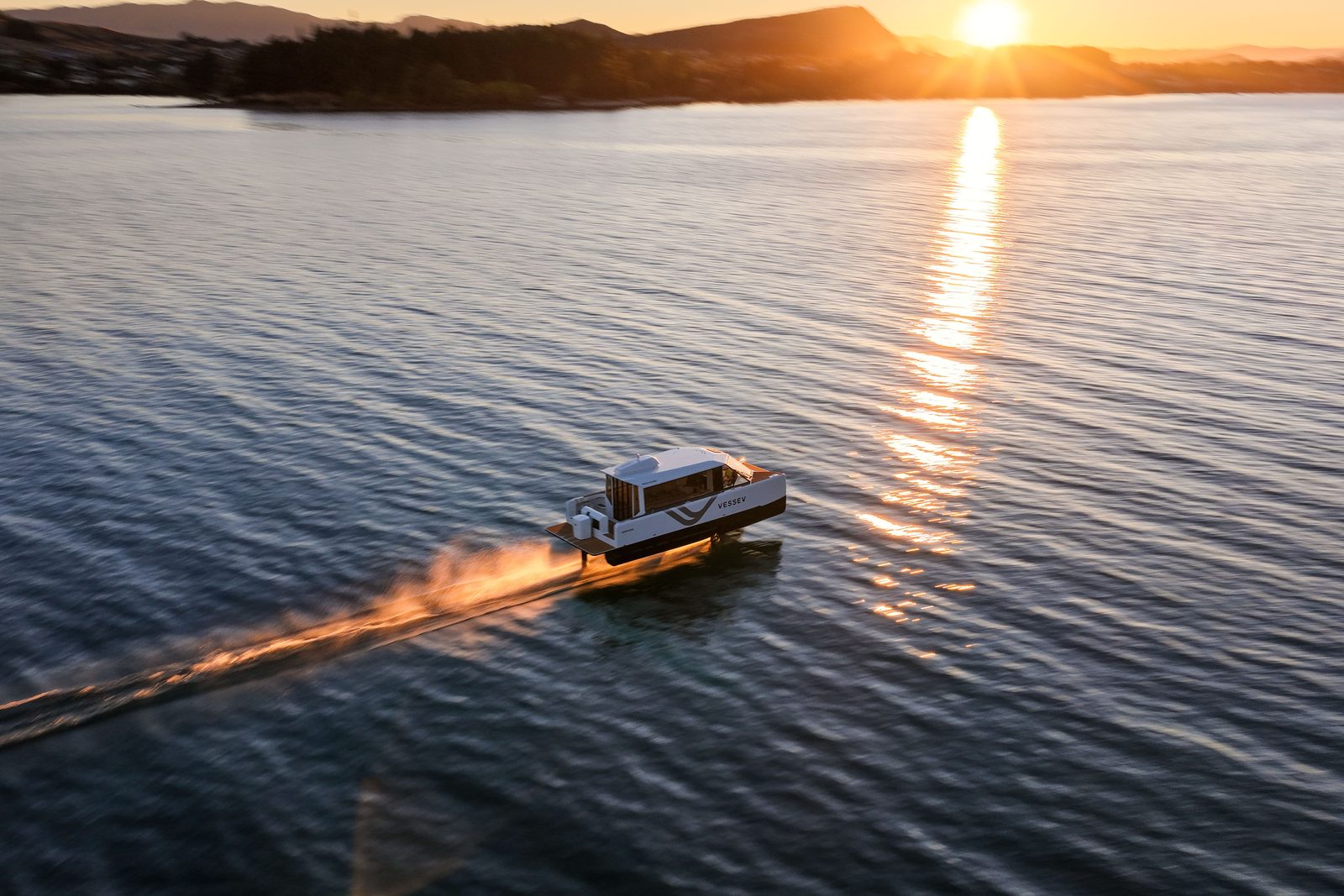
Vessev was an idea and a small prototype when we backed it, and its VS-9 Kermadec now carries paying passengers for Fullers360 on Auckland’s Waitematā Harbour.
We back founders who lived the problem.
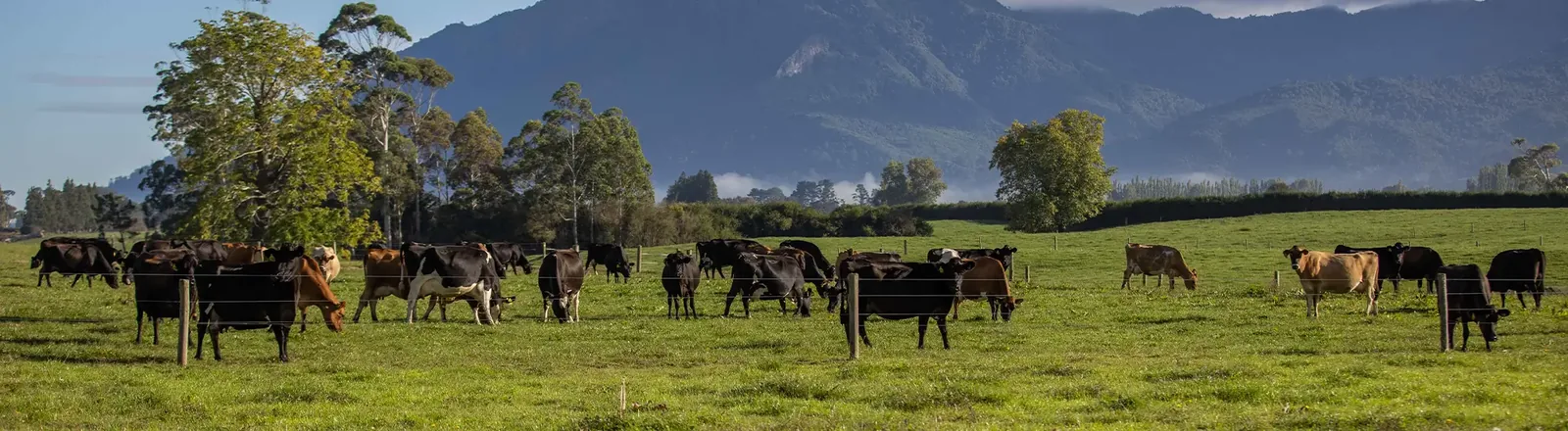
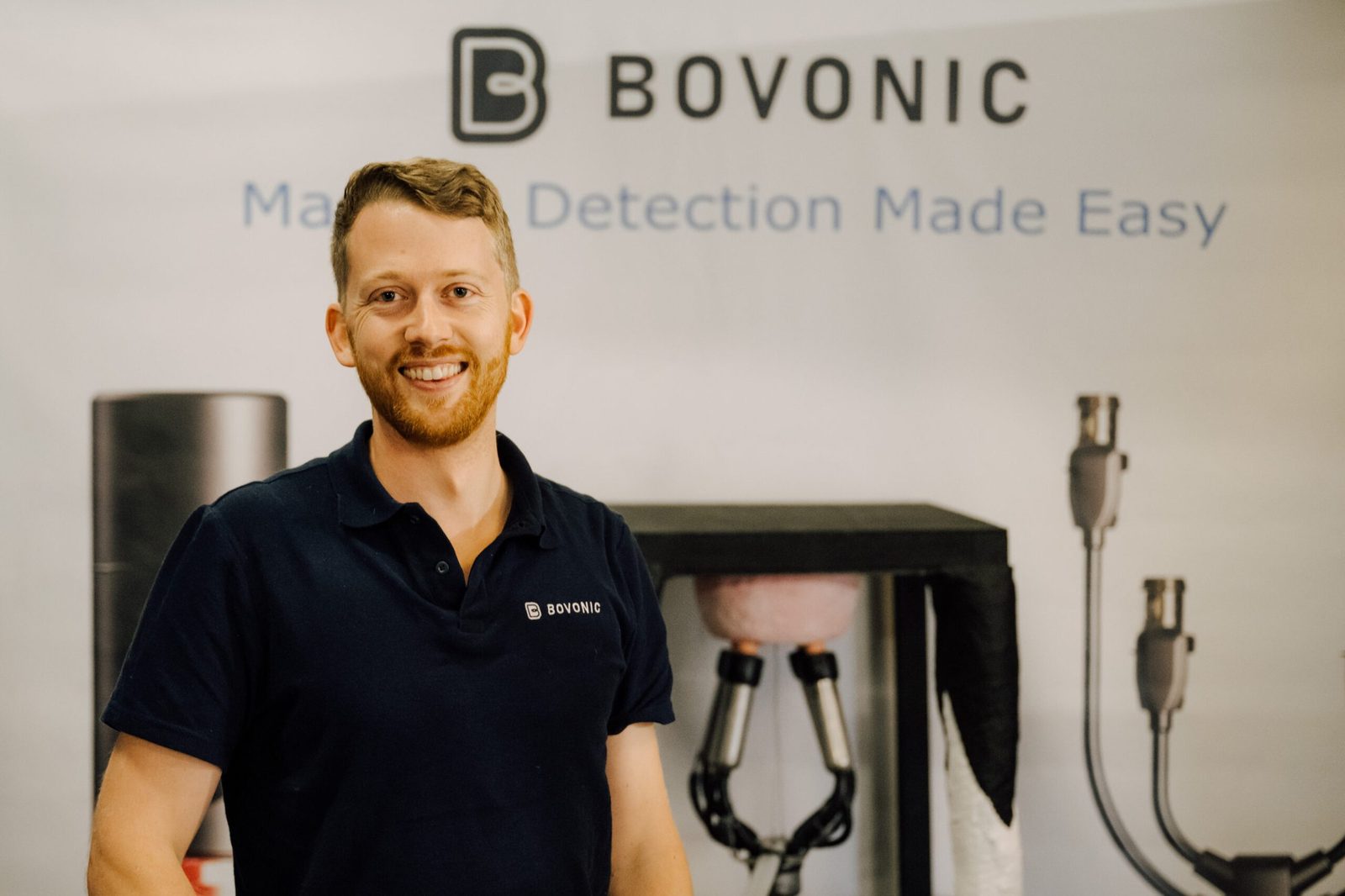
Liam Kampshof is a sharemilker’s son who spent five years in London building blood-testing devices for hospitals, came home mid-pandemic, and started prototyping QuadSense in his parents’ garage in 2021. It launched at Fieldays in June 2024 and flags mastitis with a red light in about a minute.
We back the founder over the first idea.
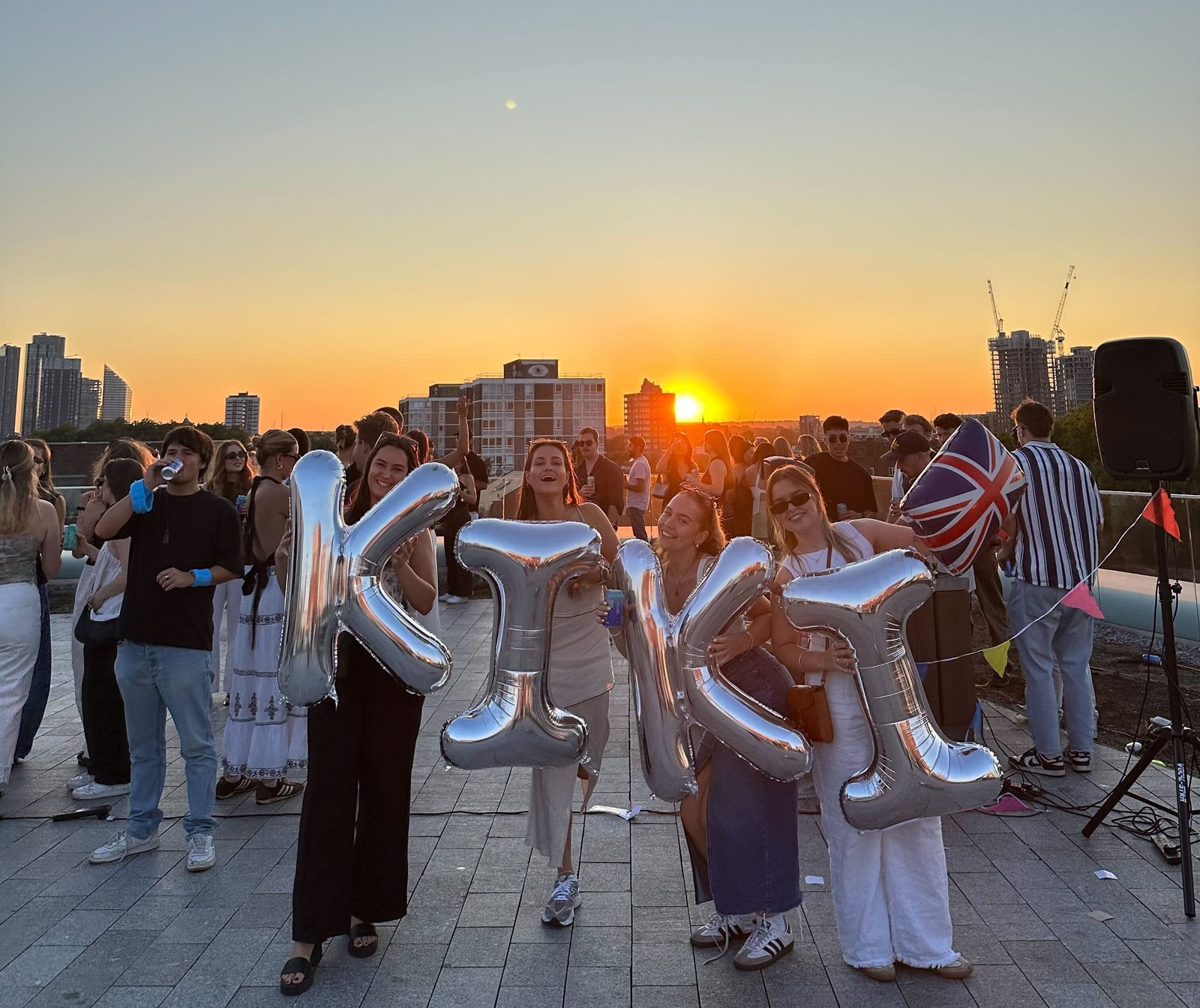
Phone makers killed VXT’s voicemail wedge, so Luke Campbell went and sat with law firms, and Saunders & Co became the anchor customer for VXT Phone. Kiki’s Toby Thomas-Smith filled 1,500 Bondi homes, took the network to New York, shut it down there, and moved to London alone to rebuild.
We back work that takes decades.
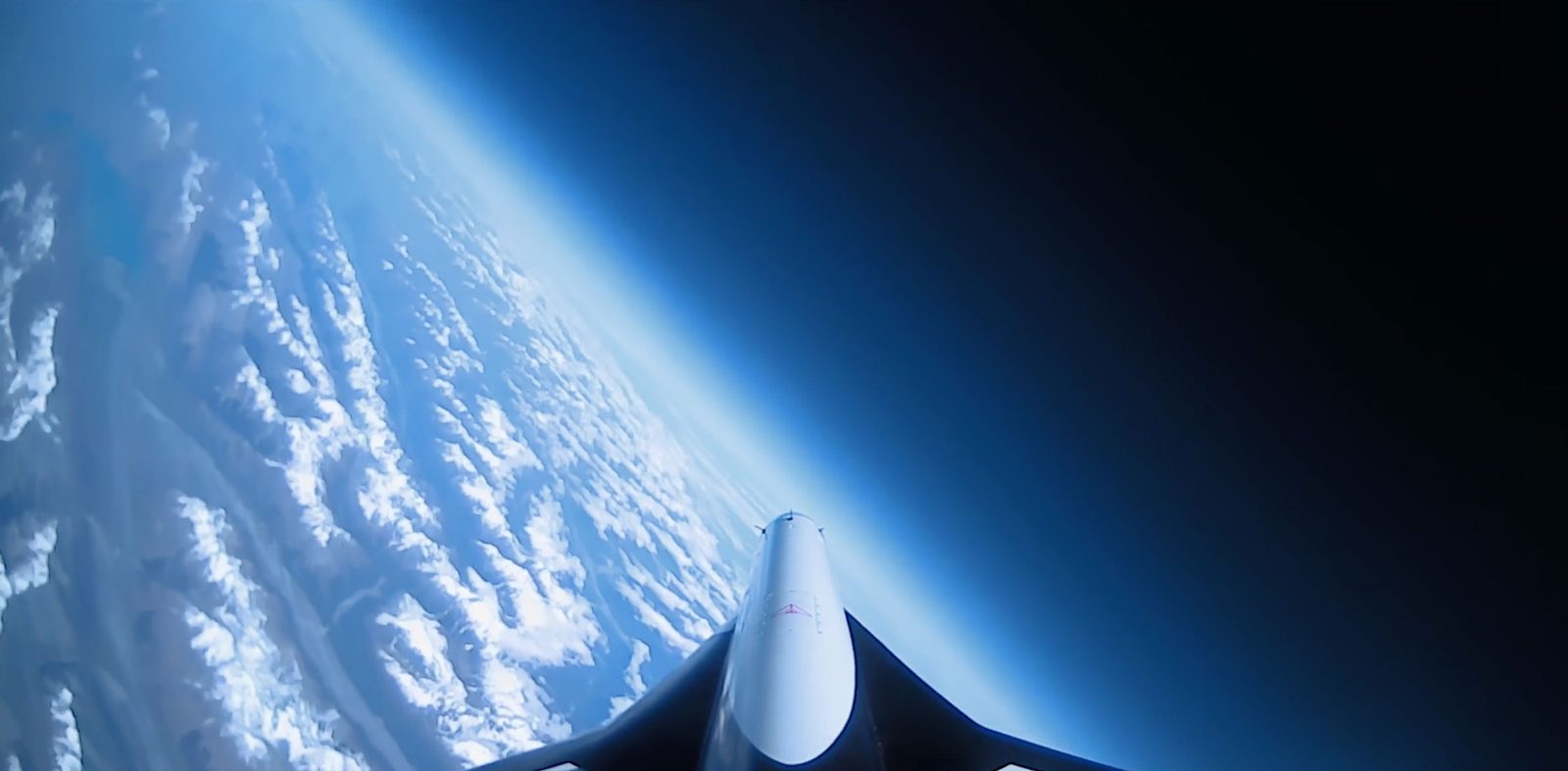
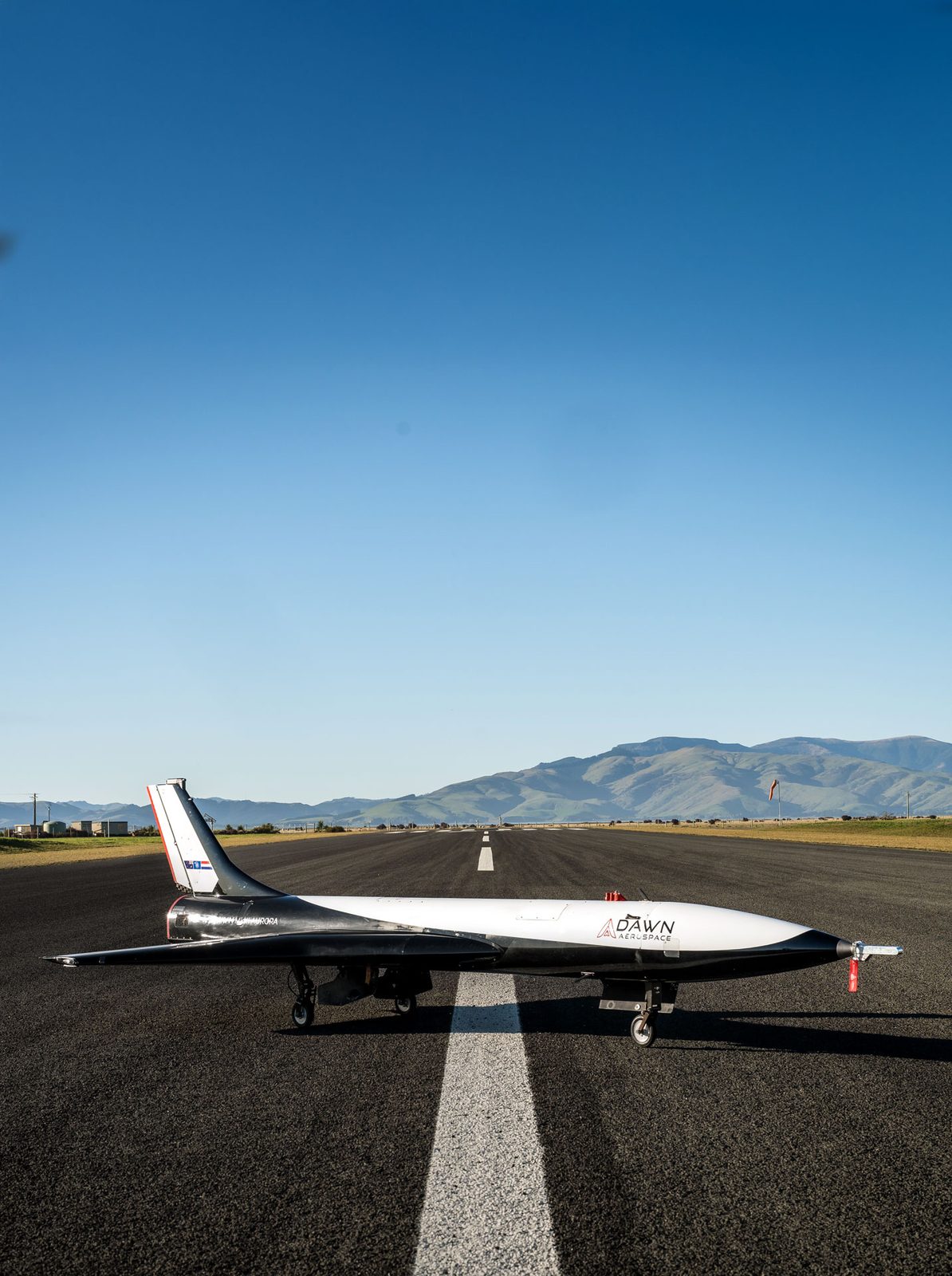
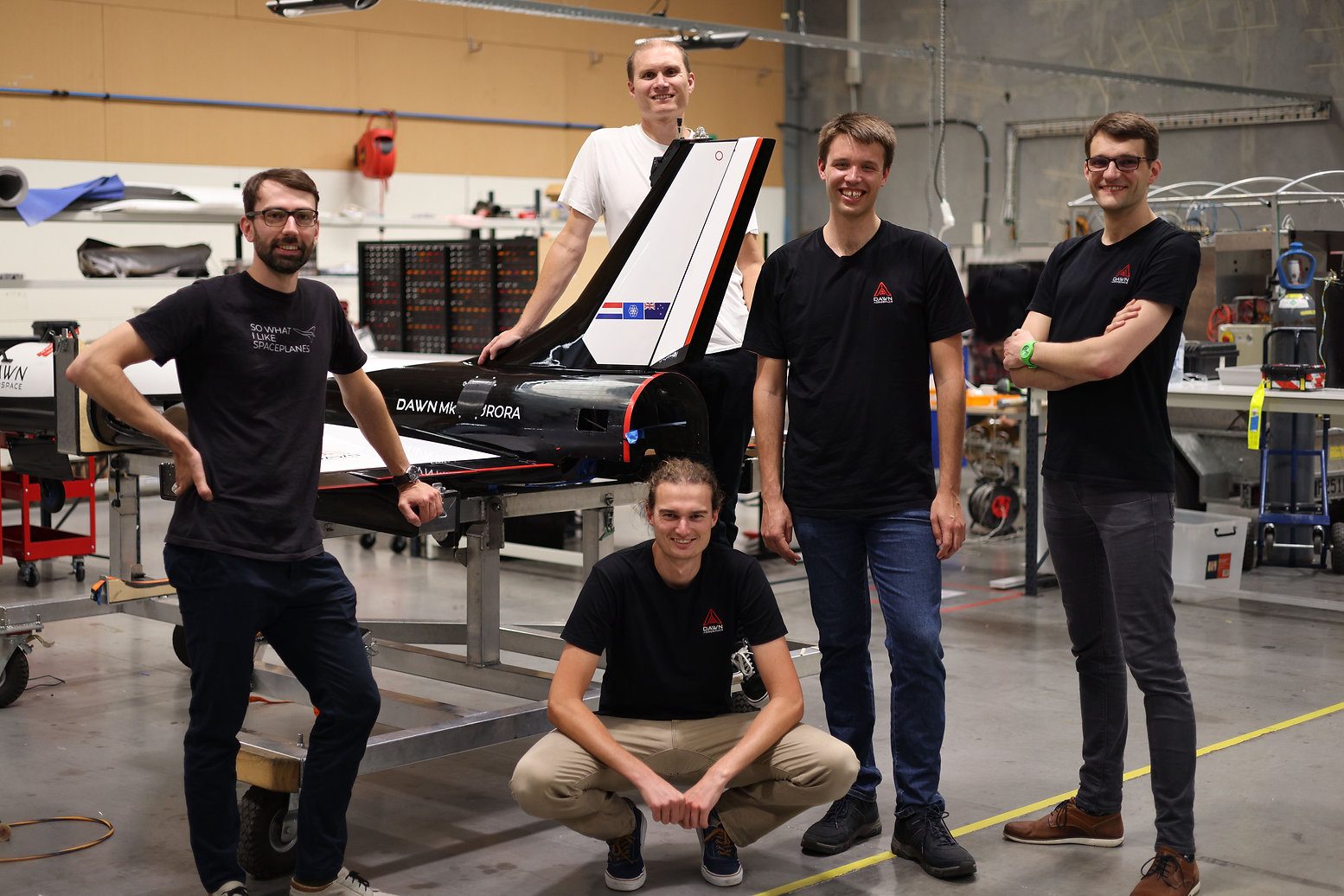
Stefan Powell and his four cofounders started Dawn Aerospace in 2017, and on 12 November 2024 their Mk-II Aurora passed Mach 1.1 at 82,500 feet. No civil aircraft had broken the sound barrier since Concorde.