

Esper
Esper Satellites operates a hyperspectral satellite constellation that captures fine-grained spectral data of the Earth's surface to identify minerals and materials from orbit.
- Category
- Deep Tech
- Fund
- NZVC II
- Website
- www.espersatellites.co
- On TechMates
- 2 episodes

What Esper does
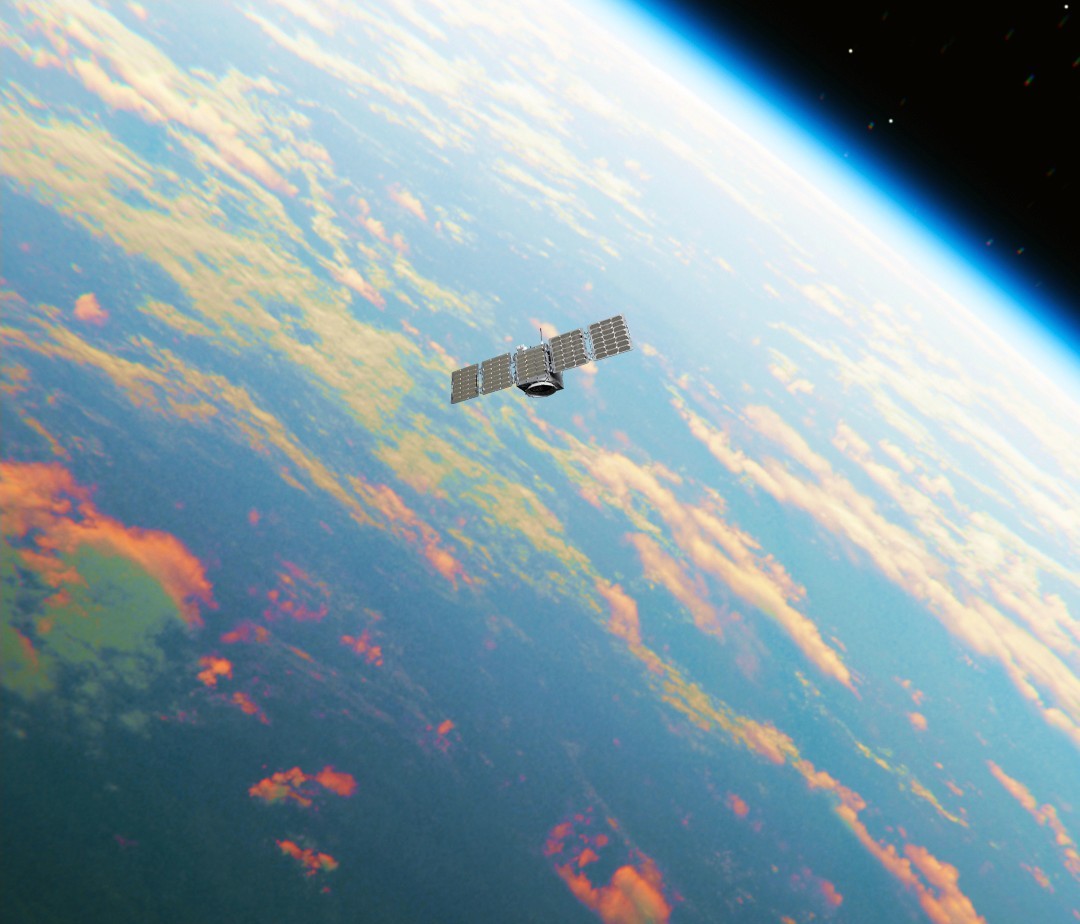
Esper's imagery helps mining and exploration companies find critical mineral deposits and run more efficient operations, with additional uses in agriculture, environmental monitoring and archaeology. The Australian company has flown several demonstrator payloads and is building toward a larger constellation for frequent global coverage.
The secret
Enough spectral bands stop a satellite being a camera and turn it into a chemical assay. The Esperesso imager reads the spectrum in narrow contiguous bands, so mineral exploration that used to need people walking the ground can start from orbit.
Why NZVC invested in Esper
NZVC invested in Esper from NZVC Fund II. We file the company under Deep Tech on the portfolio wall.
We backed Esper because hyperspectral data is a powerful input for critical mineral exploration at a time when the world urgently needs new supply, and doing it from space makes the search far cheaper and broader than fieldwork alone. The team has shown a low-cost, capital-efficient path to orbit and is scaling a constellation rather than betting on a single satellite. With critical minerals now a strategic priority for many governments and industries, the demand for this kind of intelligence is expanding fast.

Esper in the press



- Forbes Australia reported Esper building satellites from off-the-shelf partsForbes Australia · 17 November 2025
- Esper raised $5 million to map minerals from orbitMetal Tech News, SmartCompany · 3 March 2025
- TechCrunch covered Esper's plan to build hyperspectral satellites cheaplyTechCrunch · 4 March 2024
Esper on TechMates

The Secret Space Revolution in Australia & New Zealand
You hear three founders quietly building a space sector in Australia and New Zealand on lean budgets. Stefan Powell of Dawn Aerospace explains why most of a rocket can just be an aircraft, Shoaib Iqbal of Esper explains how to build hyperspectral satellite sensors from off-the-shelf parts, and Billy Jeremijenko of Aquila makes the case for moving energy with light instead of cables.
A joint episode, alongside Dawn Aerospace.
Esper on TechMates

Inside the Australian Startup Launching Hyperspectral Satellites
You hear how a teenager winning hackathons in Saudi Arabia ended up launching satellites from Australia. Shoaib Iqbal explains what hyperspectral imaging sees that cameras cannot, and who in mining and agriculture pays for it.
- Hyperspectral imaging technology.
- Lessons from DIY to deep tech.
- Achieving product-market fit.