

KiwiFibre Innovations
KiwiFibre Innovations turns New Zealand harakeke, or flax, into high-performance natural-fibre composites that stand in for petrochemical materials like fibreglass and carbon fibre.
- Category
- Deep Tech
- Fund
- NZVC I
- Website
- kiwifibre.com
- On TechMates
- 2 episodes
What KiwiFibre Innovations does
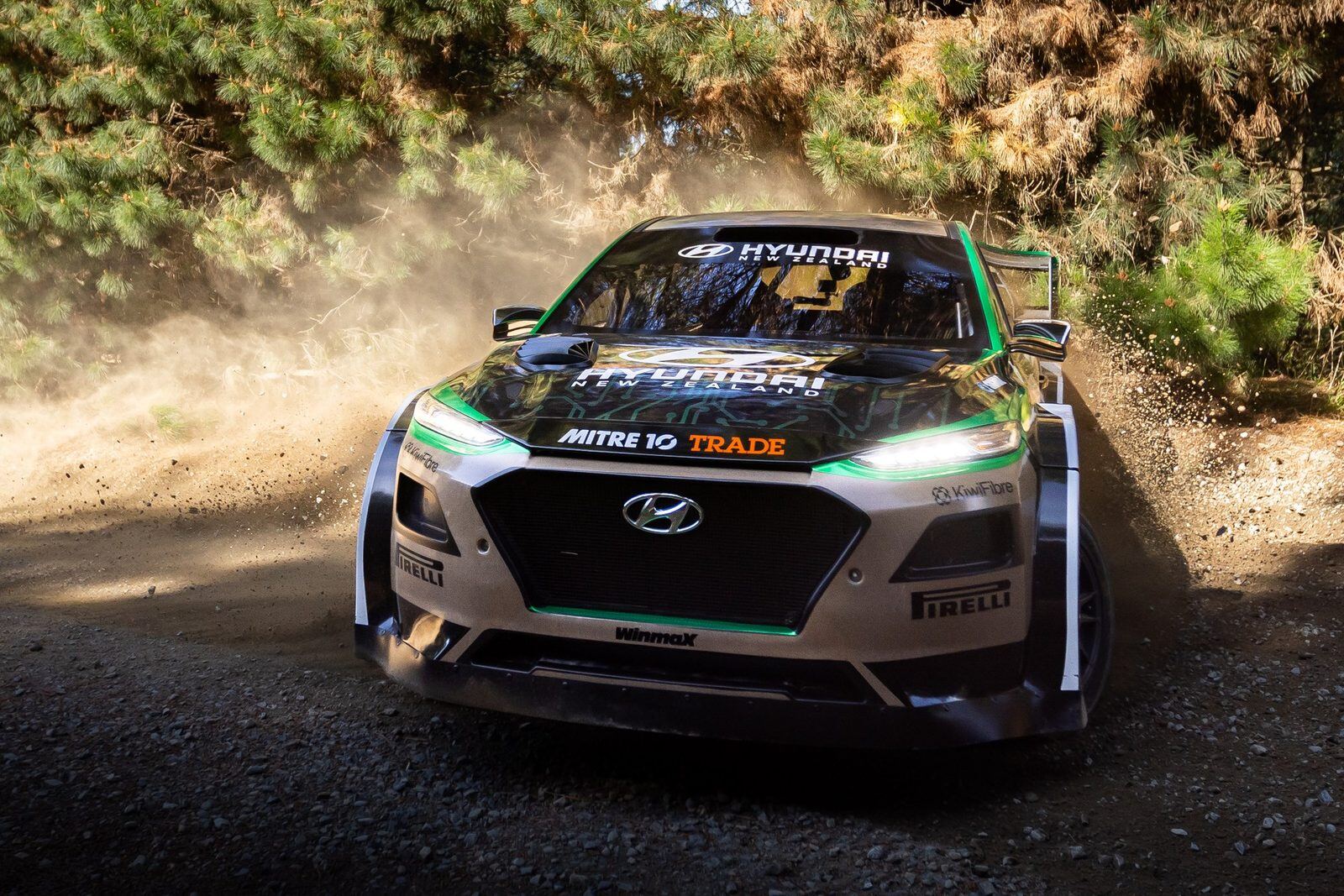
KiwiFibre Innovations's materials offer high strength and stiffness, low density, vibration absorption and radio transparency, with a carbon footprint far below that of glass and carbon composites, and appear in products from race cars to snowboards and boats. The Christchurch company grew out of University of Canterbury research into local plant fibres.
The secret
Harakeke is one of the strongest natural fibres in the world, so the material sells on performance rather than on being the sustainable option. Engineers put it into rally car bodywork and a Formula student race car because of what it does, not because of where it comes from.
Why NZVC invested in KiwiFibre Innovations

NZVC invested in KiwiFibre Innovations from NZVC Fund I. We file the company under Deep Tech on the portfolio wall.
We backed KiwiFibre because demand for strong, sustainable materials is climbing while the composites industry stays tied to high-emission carbon and glass fibre. Harakeke is one of the world's toughest natural fibres, and the team has engineered it into a material that competes on performance rather than asking customers to accept a compromise. As manufacturers look to cut the carbon footprint of their products, a locally grown, renewable alternative arrives at the right moment.

KiwiFibre Innovations in the press


- Harakeke moved from traditional taonga into engineered compositesRNZ, Newsroom · 15 August 2024
- RNZ called harakeke a world-class alternative to carbon fiberRNZ · 25 May 2023
- Te Ao Māori News covered the high-tech uses KiwiFibre is finding for harakekeTe Ao Māori News · 7 May 2023
- Newsroom wrote up harakeke as an alternative to fiberglassNewsroom · 12 October 2022
- KiwiFibre and Aotearoa Ocean Racing took harakeke composites into an Ocean Race yachtBoating New Zealand
KiwiFibre Innovations on TechMates

Grassroots to Global: Innovation the Kiwi Way | NZVC Portfolio Day
You hear four founders explain why dairy proteins grown in yeast, composites made from flax, and AI for pasture all had to start in New Zealand. Ben Scales, Amos Palfreyman, Nicole Freed, and Jeremy Bryant cover wet-lab talent, selling to farmers, and a stolen snowboard in Munich.
A joint episode, alongside Miruku.
KiwiFibre Innovations on TechMates

How do They Turn Plants into Cars?
You hear how a university project became a company replacing carbon fiber with a native New Zealand plant. Ben Scales covers the technical problems of working with harakeke, the products it now goes into, and what fundraising looked like from Christchurch.
- How his upbringing and family history influenced his entrepreneurial mindset.
- The challenges of creating a new material from harakeke, a native New Zealand plant.
- The journey of turning a university project into a global startup.