

Pyper Vision
Pyper Vision tackles fog, which causes close to a third of weather-related airport delays, by helping airports predict and manage low-visibility conditions.
- Category
- Deep Tech
- Fund
- NZVC I
- Website
- pypervision.com
- On TechMates
- 1 episode

What Pyper Vision does
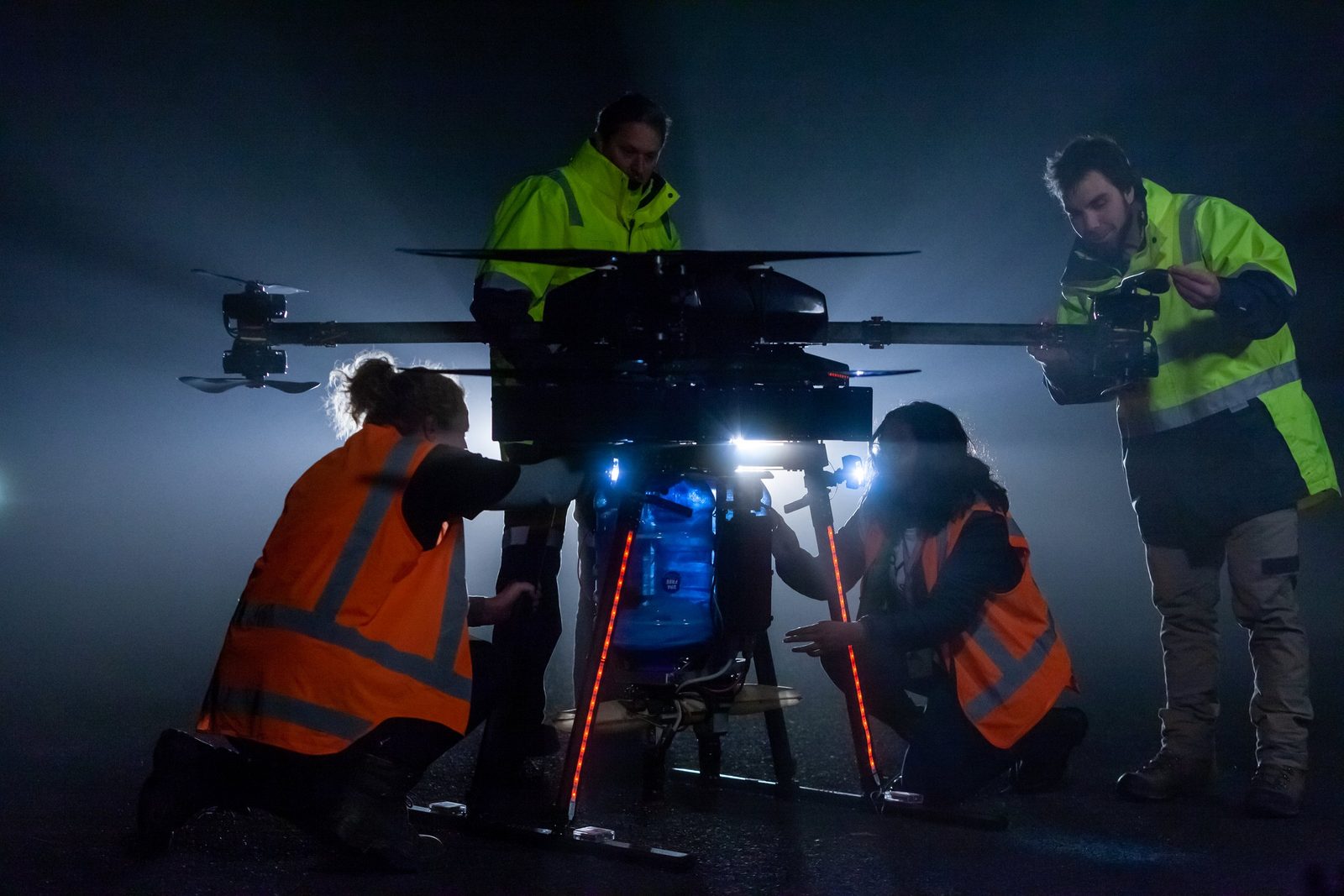
The Christchurch company started with a fog-dispersal method that spreads a safe, water-absorbing product to clear the air and has grown into a fog-forecasting platform that lets airlines and airports plan around visibility in real time. Its partners include Dunedin and Hamilton airports, Air New Zealand and London City Airport.
The secret
Fog causes close to a third of weather-related airport delays, and knowing when it will lift is worth more to an airline than clearing it. That is why the company moved from dispersal, which it proved across more than 200 drone trials, into forecasting.
Why NZVC invested in Pyper Vision
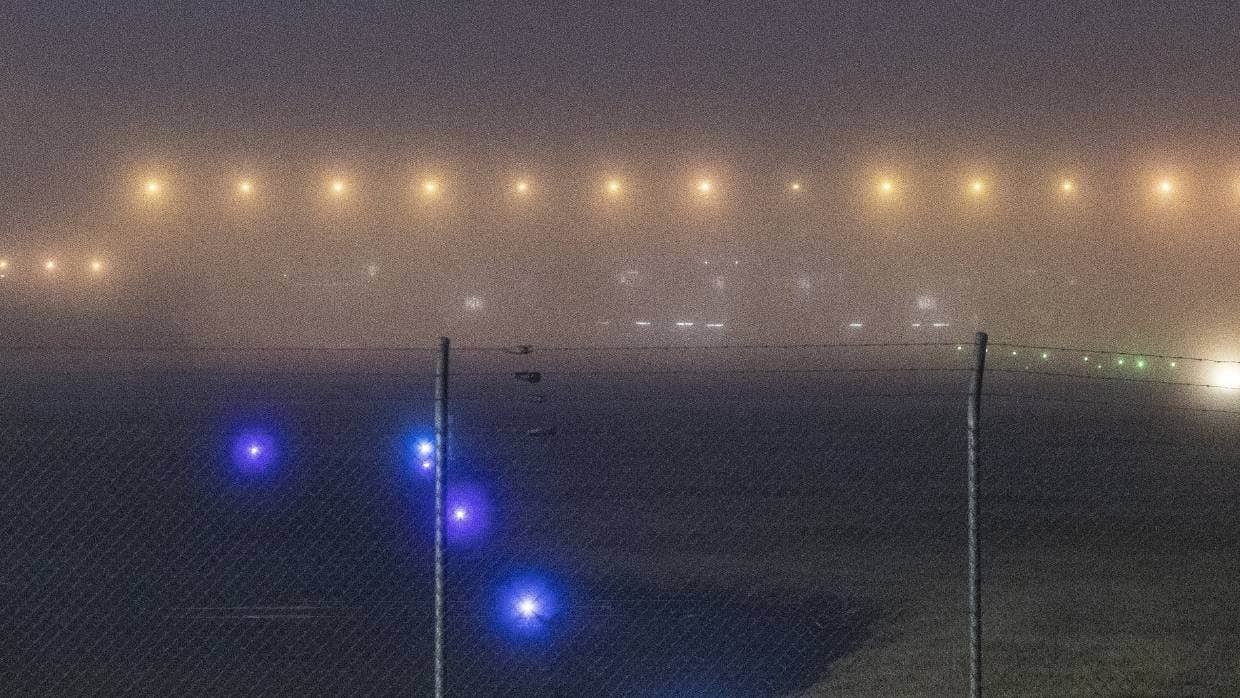
NZVC invested in Pyper Vision from NZVC Fund I. We file the company under Deep Tech on the portfolio wall.
We backed Pyper Vision because fog imposes large, recurring costs on aviation, and no one had built a dedicated tool to forecast and manage it. The founder's move from dispersal into forecasting showed the kind of resourcefulness and customer listening we look for, and it opened a software business with global reach. With airports under pressure to improve reliability and reduce delays, demand for accurate fog intelligence is growing worldwide.
Pyper Vision in the press



- Air New Zealand began trialing Pyper Vision's fog forecastingNZ Herald · 17 March 2025
- Dunedin Airport signed on to Pyper Vision's fog forecastingDunedin Airport · 6 December 2024
- Pyper Vision moved from clearing fog to forecasting itNewstalk ZB, NZ Herald · 4 December 2024
- Pyper Vision won government backing for its airport fog clearing technologyNewstalk ZB, Otago Daily Times · 3 April 2022
Pyper Vision on TechMates

I Built a Machine to Delete Fog
You hear a fourth-generation aviator explain why she spent years trying to clear airport fog with drones and chemicals, and what happened when the science did not hold. Emily Blythe covers Flatpak, her first exit, and the pivot to forecasting fog with 84 percent accuracy.
- A four-generation legacy in aviation.
- Skipping uni to build Flatpak, her first exit.
- The painful pivot: when the science does not work.