

Upstock
Upstock is a wholesale ordering platform for the hospitality industry, connecting cafes, bars, restaurants and grocers with the food and beverage suppliers that stock them.
- Category
- Consumer and Marketplace
- Fund
- NZVC I
- Website
- www.upstock.app
- On TechMates
- 3 episodes

What Upstock does
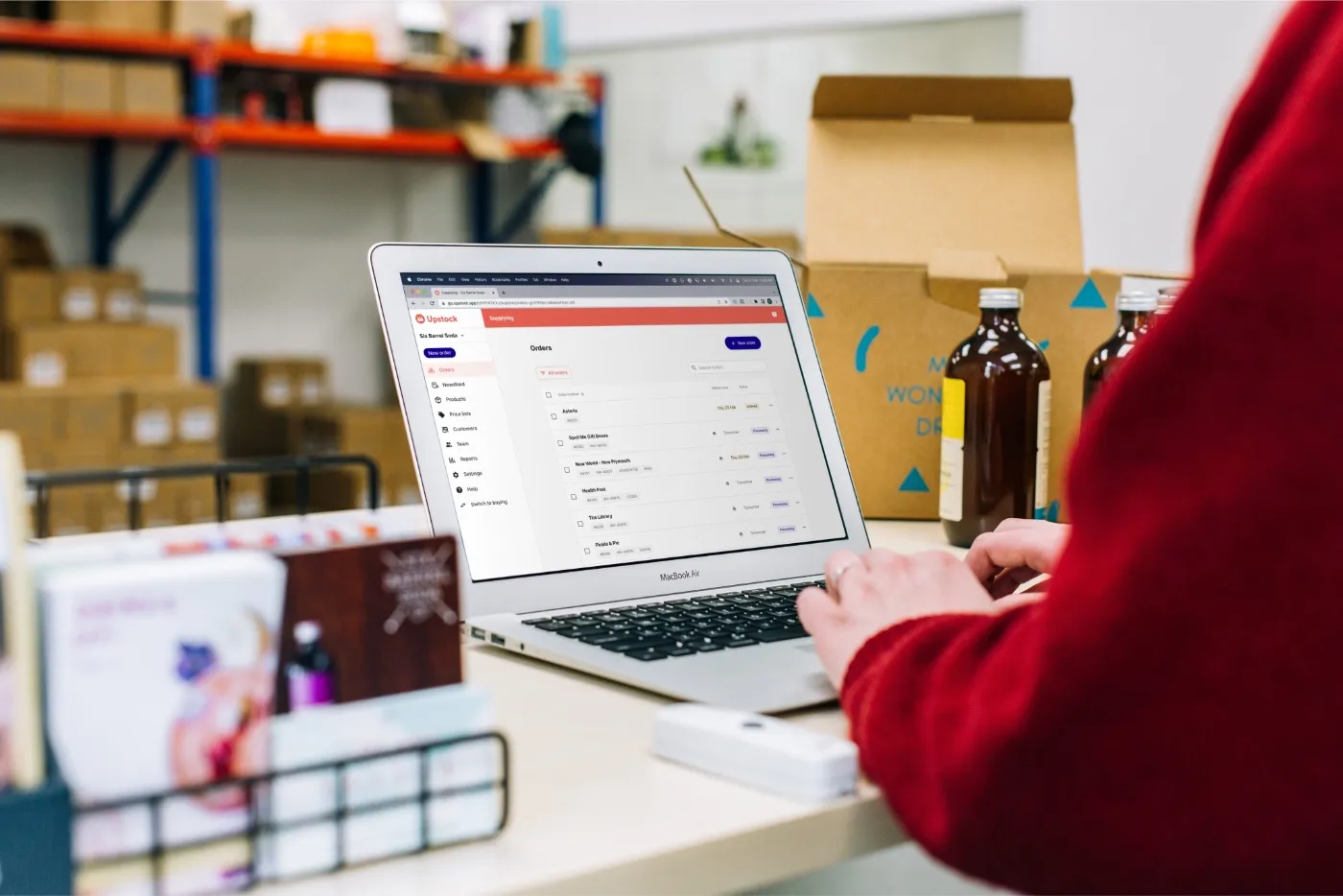
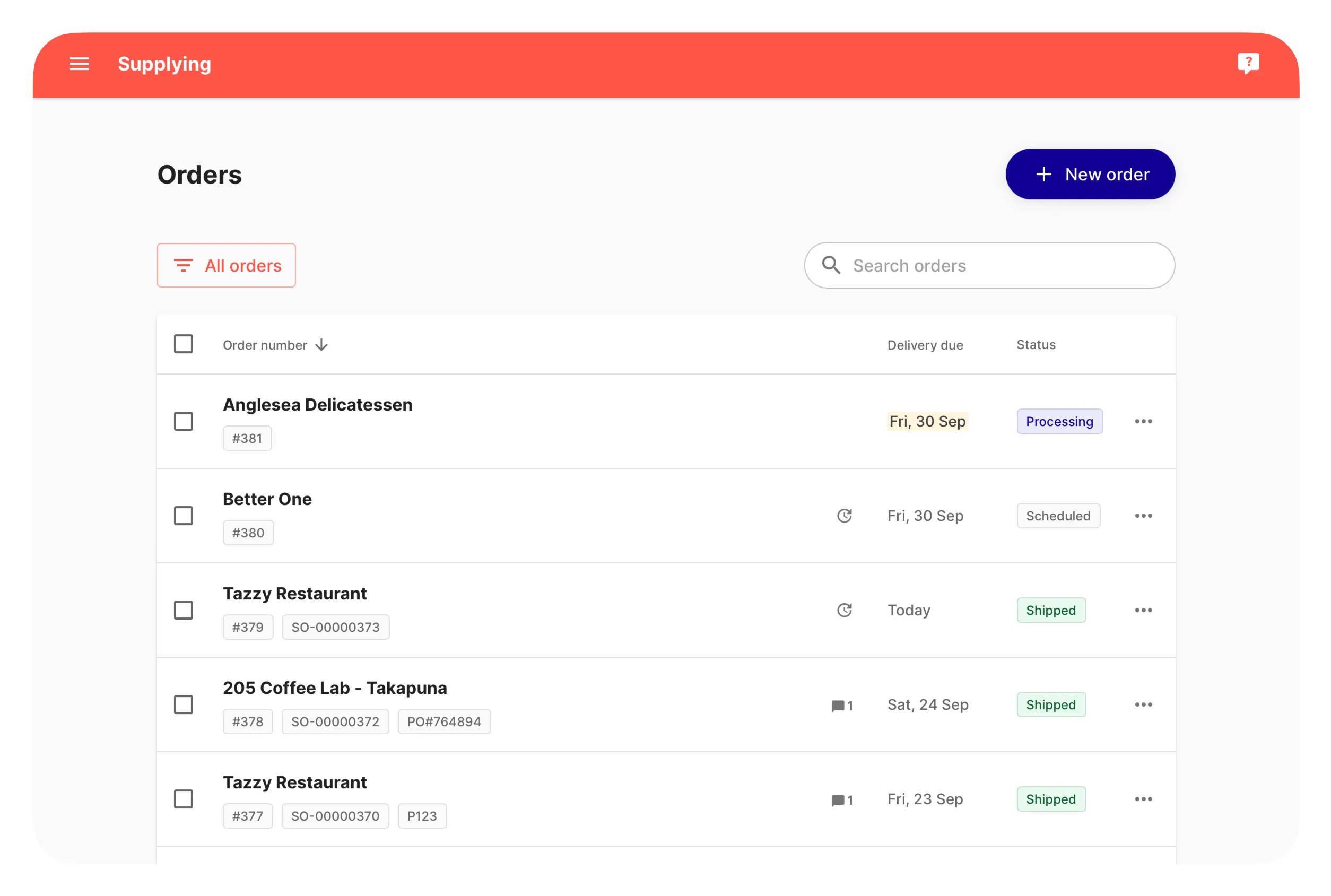
Buyers place and track orders across all of their suppliers in one app at negotiated prices, while suppliers manage catalogues, ordering, payments and logistics in one place. It replaces the phone calls, texts and spreadsheets that most hospitality wholesale still runs on, cutting order processing from hours to minutes a day.
The secret
Hospitality wholesale is a daily habit, not a monthly purchase, so both sides open the app every morning. That frequency is what compounds the network: each supplier that joins gives buyers another reason to stay, and each buyer gives suppliers a reason to onboard.
Why NZVC invested in Upstock
NZVC invested in Upstock from NZVC Fund I. We file the company under Consumer and Marketplace on the portfolio wall.
We backed Upstock because hospitality wholesale ordering is large, repetitive and almost entirely manual, which makes it a strong fit for a marketplace that both sides use every day. Order volume compounds as more venues and suppliers join, since each new supplier gives buyers another reason to stay and each buyer gives suppliers a reason to onboard. The team came out of Xero and knows how to build software that small businesses adopt without hand-holding. Hospitality operators are under real cost and labor pressure, and the timing favors a tool that takes admin out of daily reordering.
Upstock in the press


- Upstock lifted its seed round to $13 million and signed WoolworthsNZ Herald · 6 February 2024
- Upstock launched in Australia after a $5.5 million raiseDynamic Business, Startup Daily · 30 June 2023
- Upstock raised $5 million and made its case on supermarket competitionNZ Herald · 8 June 2022
- Three tech startups to watch in 2022NZ Herald · 14 January 2022
- Upstock raised $3.5 million and grew across New Zealand hospitalityScoop · 15 September 2020
Upstock on TechMates

The Agentic AI Future | NZVC Portfolio Day
You hear a lawyer explain why the billable hour is dying, a Xero co-founder turn messy supplier emails into orders in one click, and a NEAR core developer argue for community-governed AI. You get the 30-year history of AI agents back to General Magic in 1992 and a debate on whether AI kills jobs or multiplies them. It opens with a robot dog on stage.
- Legal disruption: moving from time billing to value billing with AI.
- Supply chain agents: turning messy emails into structured orders in one click.
- Crypto x AI: why we need community-governed AI infrastructure.
Upstock on TechMates

What It Takes to Build a Tech Unicorn from New Zealand
You hear how Xero listed in its first year with almost no revenue and why that fight with MYOB mattered. Philip Fierlinger then explains what he is building with Upstock for hospitality wholesale, and why the best AI products will never mention AI.
- How Xero disrupted an industry and went public with almost no revenue.
- The strategy that made Xero the darling of accountants and the enemy of MYOB.
- Why Peter Thiel's go-big-or-go-home approach clashed with Xero's guerrilla growth strategy.
Upstock on TechMates

Why I Left Silicon Valley for New Zealand: A Tech Founder's Journey
You hear a designer who worked at General Magic and built VR for the Beastie Boys explain why he moved to New Zealand and joined Xero. Philip Fierlinger argues that design, not engineering, makes the best products, and that faked prototypes can open million-dollar doors.
“If you want to build something great, start with the dream, not the details.”Philip Fierlinger
- Growing up in a creative immigrant household and early tech obsession.
- How a chance email to the Beastie Boys led to VR innovation.
- The bold moves that helped Xero revolutionize accounting from New Zealand.